All Categories
Featured


Fire Suppression System Inspection Altadena
Table of Contents
- – Instant Air Solutions
- – How Restaurant Kitchen Ventilation Works and W...
- – How Commercial Kitchen Exhaust Systems Mainta...
- – How Canopy Hood Systems and Upblast Exhaust ...
- – Key Indicators That Your Restaurant Kitchen V...
- – Lingering Odors, Reduced Hood Performance, a...
- – Why Negative Pressure in the Kitchen Creates ...
- – Slamming Doors, Backdrafts, and Staff Discom...
- – Restaurant Hood Cleaning Frequency and the Con...
- – NFPA 96 Guidelines Covering Grease Duct Clean...
- – Heavy Grease Operations Versus Lighter Cooki...
- – True Risks of Postponing Kitchen Exhaust Clea...
- – Fire Hazards, Code Violations, and Increased...
- – Advantages of Scheduled Professional Maintenance
- – What Is the Difference Between Type I and Type...
- – When Your Menu Calls for a Type I Grease Hood...
- – Fire Suppression Integration and Requirement...
- – Appropriate Uses for Type II Hood Applications
- – Lighter Load Kitchens Along with Energy Cons...
- – Choosing the Right Hood Type for Your Specifi...
- – What Improvements Can You Expect From Proper R...
- – Improved Staff Comfort and Productivity
- – Better Indoor Air Quality and Odor Control
- – Measurable Energy Savings Over Time
- – Why Rapid Response Is Critical When Restaurant...
- – Immediate Risks of Exhaust System Breakdown D...
- – Revenue Loss, Staff Safety, and Potential He...
- – How Demand Control Ventilation Lowers Failure...
- – Sensor-Based Adjustments and Energy Performa...
- – Role of Makeup Air Units in Preventing Airflo...
- – Balanced Systems Versus Negative Pressure Co...
- – California Title 24 Requirements and Local Co...
- – Energy Efficiency Requirements for Commercia...
- – How Title 24 and NFPA 96 Form Modern Restauran...
- – Important Provisions of Title 24 for Kitchen ...
- – Variable Speed Controls and Heat Recovery Op...
- – NFPA 96 Cleaning and Inspection Protocols Mad...
- – Duct Slope Requirements and Grease Removal D...
- – Linking Code Requirements with Practical Dail...
- – Stopping Common Violations via Proactive Ser...
- – Comparing Constant Speed Versus Demand Control...
- – Energy Use and Operating Cost Differences
- – Real-World Savings Data from Sensor-Equipped...
- – Performance During High-Volume Cooking Periods
- – Capture Velocity Consistency and Staff Comfo...
- – Long-Term Maintenance with Reliability Factors
- – Component Lifespan and Emergency Repair Freq...
- – Air Balancing Reports and Their Role in Restau...
- – What Professional Air Balancing Reports Include
- – CFM Measurements Along with Static Pressure ...
- – How Proper Balancing Addresses Negative Press...
- – Improved Hood Performance and Reduced Door P...
- – Common Worries About Restaurant Kitchen Ventil...
- – Concern Over Unexpected Downtime and Revenue ...
- – Uncertainty About Code Compliance and Inspect...
- – Confusion Over the Best Efficiency Upgrades
- – Tailored Restaurant Kitchen Ventilation Servic...
- – Solutions for High-Grease Kitchens
- – Solutions for Smaller or Mobile Kitchens
- – Retrofit Plans for Existing Systems
- – Areas We Serve for Restaurant Kitchen Ventilat...
- – Why Opt for Professional Support for Restauran...
- – We Can Help! Contact Us Today.
- – Instant Air Solutions
Restaurant kitchen ventilation creates real fear when it happens mid-rush. Smoke builds quickly, the temperature spikes, staff scramble, and guests begin to notice the haze. You wonder how restaurant kitchen ventilation really works and whether your system can handle another busy shift without breaking down. Rapid response matters more than ever because delays turn small issues into costly shutdowns, health code violations, or fire hazards. Proper restaurant kitchen ventilation removes grease-laden vapors, heat, and smoke while keeping indoor air quality safe for everyone. When systems break down unexpectedly, the emotional burden of possible fines, lost revenue, and safety concerns becomes overwhelming. Understanding how these systems operate and why quick professional action protects your business delivers both immediate relief and long-term confidence.
Restaurant kitchen ventilation plays a critical role in commercial kitchens by capturing and expelling contaminants before they spread. Effective systems maintain safe conditions and support smooth operations. You feel confident when airflow remains balanced and dependable throughout every service period. Restaurant owners frequently look for answers to commercial kitchen exhaust issues and seek straightforward guidance on compliance and efficiency. Visit our main site to explore related HVAC resources.
How Restaurant Kitchen Ventilation Works and Why It Matters
Restaurant kitchen ventilation extracts grease-laden vapors, heat, and smoke to keep indoor air quality safe for your team and guests. Without effective commercial kitchen exhaust systems, kitchens quickly become uncomfortable, inefficient, and unsafe. You encounter greater fire risk, lower staff productivity, and possible code violations when airflow cannot match cooking demands. Commercial HVAC services help address these challenges directly.
Commercial kitchen exhaust systems trap and discharge contaminants before they spread in the space. Canopy hood systems and upblast exhaust fans perform vital functions in daily operations by properly directing airflow. When these elements operate together, the full kitchen stays cleaner, cooler, and more comfortable during service. Balanced systems stop heat buildup that exhausts cooks and servers during long shifts. Kitchen hood services ensure proper function.
How Commercial Kitchen Exhaust Systems Maintain Comfort for Your Team and Guests
Commercial kitchen exhaust systems keep steady airflow that clears excess heat and odors. Effective operation aids staff focus and cuts fatigue in busy periods. Guests experience a more pleasant dining environment when smoke and grease stay contained. HVAC maintenance keeps these systems performing at their best.
Effective systems also help control humidity levels that affect food quality and comfort. You benefit from fewer complaints and smoother service when ventilation performs reliably. Residential solutions share similar principles of balanced airflow.
How Canopy Hood Systems and Upblast Exhaust Fans Support Daily Operations
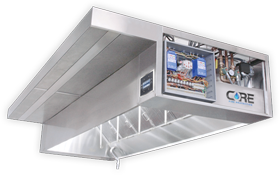
Canopy hood systems capture rising contaminants directly above cooking appliances. Upblast exhaust fans move air efficiently through ducts while resisting grease accumulation. Together they ensure strong capture velocity that keeps the kitchen safer and cleaner. HVAC installation often includes these critical components.
Regular checks on these components prevent gradual performance drops that lead to bigger problems later. You maintain consistent results when all parts work in harmony.
Key Indicators That Your Restaurant Kitchen Ventilation Needs Quick Attention
Common signs include lingering odors, reduced hood performance, and unusual fan noises. These warning signs often appear gradually but can escalate quickly during busy periods. Addressing them promptly avoids larger disruptions. Contact support when you notice changes.
Early intervention keeps operations running without unexpected interruptions. You protect daily revenue and staff comfort with timely action.
Lingering Odors, Reduced Hood Performance, and Unusual Fan Noises
Lingering odors signal that grease or smoke is not being removed effectively. Reduced hood performance means contaminants escape into the kitchen air. Unusual fan noises often indicate mechanical wear or imbalance that needs attention. Learn about our team for expert diagnosis.
Monitoring these signs helps you act before minor issues affect service or compliance. Proactive steps save time and money in the long run.
Why Negative Pressure in the Kitchen Creates Daily Headaches
Negative pressure in the kitchen creates daily headaches such as slamming doors, backdrafts, and noticeable staff discomfort. Doors that pull shut on their own signal poor airflow that reduces hood capture efficiency and allows smoke to linger. Staff discomfort rises fast when airflow fails. Garage ventilation insights share similar airflow principles.
Correcting negative pressure restores balance and improves overall kitchen conditions. You enjoy smoother operations with proper system design.
Slamming Doors, Backdrafts, and Staff Discomfort Described
Slamming doors result from imbalanced air supply and exhaust. Backdrafts pull unwanted air into the space and reduce system effectiveness. Staff discomfort increases when heat and odors build up due to poor ventilation. Swamp cooler services demonstrate the value of balanced airflow.
Proper makeup air integration resolves these common issues effectively. You achieve reliable results with expert adjustments.
Restaurant kitchen ventilation stops these issues and helps daily operations run smoothly. Materials from the NFPA 96 overview stress the need for preventive measures. You feel peace of mind knowing the system safeguards your business, your team, and your reputation. Privacy policy outlines our commitment to service quality.
Local restaurant kitchen ventilation experts understand these challenges and help restaurants maintain reliable performance. Terms of service reflect our dedication to professional standards.
Restaurant Hood Cleaning Frequency and the Consequences of Waiting Too Long
Restaurant hood cleaning timing is based on your cooking volume and grease production. NFPA 96 guidelines provide clear schedules that keep systems safe and compliant. Heavy grease kitchens may need monthly service while lighter menus can use quarterly or semi-annual plans. Expert inspection establishes the precise interval suited to your operation. Kitchen hood services tailor cleaning to your needs.
Real risks of delayed kitchen exhaust cleaning include fire hazards, code violations, and sharply increased energy costs. Grease buildup restricts airflow, forces fans to work harder, and raises utility bills month after month. Waiting too long often leads to emergency repairs that disrupt service and create unexpected expenses during peak times. Health department inspections become stressful when ducts show heavy accumulation. Commercial services prevent these issues.
NFPA 96 Guidelines Covering Grease Duct Cleaning Frequency
NFPA 96 guidelines outline cleaning frequency based on grease production levels. Heavy operations need more frequent service to prevent dangerous buildup. Lighter cooking allows slightly longer intervals between cleanings. Following these guidelines supports consistent safety and performance. HVAC maintenance aligns with these standards.
Heavy Grease Operations Versus Lighter Cooking Schedules
Heavy grease operations demand monthly attention to keep ducts clear. Lighter cooking schedules can follow quarterly plans with proper monitoring. The difference in frequency helps match service to actual risk levels. Professional evaluation ensures the right schedule for your kitchen. Residential options share maintenance principles.
True Risks of Postponing Kitchen Exhaust Cleaning
Delayed cleaning increases fire hazards and code violation risks. Restricted airflow leads to higher energy consumption and potential equipment damage. Emergency repairs during busy periods create costly downtime. Consistent maintenance avoids these expensive and stressful outcomes. About our expertise.
Fire Hazards, Code Violations, and Increased Energy Costs
Fire hazards rise when grease accumulates in ducts and fans. Code violations can result in fines or temporary closures. Increased energy costs follow from systems working harder to compensate for restrictions. Addressing these risks early protects your bottom line. Contact us for support.
Advantages of Scheduled Professional Maintenance
Scheduled professional maintenance extends equipment life and delivers consistent performance across every shift. You avoid surprise failures and keep daily operations predictable and profitable. Proper cleaning also improves indoor air quality, reducing complaints from staff and guests alike. HVAC installation complements ongoing care.
Restaurant kitchen ventilation maintenance protects both safety and profitability. Local experts tailor cleaning schedules to your menu and volume so you never fall behind on compliance. Garage ventilation shares airflow management insights.
What Is the Difference Between Type I and Type II Hoods for Restaurant Kitchen Ventilation?
Type I hoods manage grease-producing appliances and need fire-rated ductwork along with integrated suppression systems. Type II hoods address lighter steam and heat loads with simpler construction while meeting code. Picking the correct type guards your kitchen and stops unnecessary expense or safety gaps. Kitchen hood services guide proper selection.
Your menu determines when a Type I grease hood system becomes necessary. High-grease cooking such as frying or grilling demands full fire protection features. Lighter loads from steaming or baking may perform well with Type II hood applications that focus on heat and vapor removal. Professional assessment prevents over-sizing that wastes energy or under-sizing that fails to capture contaminants. Commercial HVAC provides expert advice.
When Your Menu Calls for a Type I Grease Hood System
High-grease menus require Type I grease hood systems with complete fire protection. These hoods include suppression capabilities and rated ductwork. Proper installation ensures compliance and safety during intense cooking. Expert guidance helps match the system to your appliances. Maintenance services keep them in top condition.
Fire Suppression Integration and Requirements for Fire-Rated Ductwork
Fire suppression integration protects against grease fires in Type I hoods. Fire-rated ductwork contains potential flames and smoke. These features work together to meet strict safety standards. Regular testing keeps the system ready for any situation. Our team expertise.
Appropriate Uses for Type II Hood Applications
Type II hood applications suit lighter cooking that produces mainly steam and heat. These hoods use simpler construction while still providing effective ventilation. They offer a cost-effective solution for appropriate menus. Proper selection avoids over-engineering and extra expense. Residential HVAC shares related concepts.
Lighter Load Kitchens Along with Energy Considerations
Lighter load kitchens benefit from Type II hoods that focus on vapor removal. Energy considerations favor systems matched to actual needs. Efficient designs reduce unnecessary power consumption. You achieve good performance without excess costs. Installation services.
Choosing the Right Hood Type for Your Specific Operation
Matching hood design to appliance heat output and kitchen layout ensures optimal results every day. Proper selection improves capture velocity and reduces the workload on exhaust fans. You enjoy better airflow and fewer maintenance issues when the system matches your actual cooking needs. Get in touch.
Understanding these differences removes guesswork from restaurant kitchen ventilation decisions and supports long-term efficiency. Terms of service reflect our commitment.
What Improvements Can You Expect From Proper Restaurant Kitchen Ventilation?
Proper restaurant kitchen ventilation delivers clearer air, noticeably lower energy bills, and significantly reduced fire risk. Staff report better comfort and higher focus once airflow balances correctly. Restaurants often experience fewer complaints about heat and lingering odors after professional upgrades or maintenance. Kitchen hood services drive these improvements.
Enhanced staff comfort and productivity follow well-balanced systems. Improved indoor air quality and odor control create a more pleasant environment that supports better customer experiences. Measurable energy savings appear over time when efficient components replace outdated constant-speed fans. Commercial services deliver these benefits.
Improved Staff Comfort and Productivity
Balanced restaurant kitchen ventilation reduces heat stress and improves working conditions. Staff stay more focused and productive throughout shifts. Comfortable environments lower turnover and support consistent service quality. You benefit from a more positive kitchen atmosphere. Maintenance options.
Better Indoor Air Quality and Odor Control
Effective systems remove smoke, grease, and odors before they spread. Better indoor air quality benefits both staff and guests. Reduced odors create a fresher dining experience. Clean air supports overall kitchen hygiene and comfort. Residential insights.
Measurable Energy Savings Over Time
Efficient restaurant kitchen ventilation lowers utility costs through optimized fan operation. Demand control features adjust power use to actual needs. Savings accumulate steadily and improve profitability. Professional upgrades often pay for themselves over time. Installation expertise.
You notice these positive changes quickly when the right solution is implemented. Daily operations become smoother, more comfortable, and more profitable. Learn more about us.
Why Rapid Response Is Critical When Restaurant Kitchen Ventilation Fails
Sudden restaurant kitchen ventilation failure during peak hours creates immediate danger and direct revenue loss. Exhaust systems that stop working lead to rapid smoke buildup, staff safety concerns, and possible health department intervention. Fast action prevents small problems from escalating into full shutdowns that cost thousands in lost sales. Contact support.
Demand control ventilation reduces failure likelihood by adjusting fan speeds based on real-time cooking activity. Makeup air units prevent airflow bottlenecks and help maintain proper system balance. California Title 24 requirements emphasize energy-efficient designs that support reliable long-term performance across varying loads. Hood services.
Immediate Risks of Exhaust System Breakdown During Peak Hours
Breakdowns during peak hours cause smoke accumulation and safety risks. Revenue loss mounts quickly when service slows or stops. Health department concerns can arise from poor air quality. Rapid response limits these impacts and protects your business. Commercial HVAC.
Revenue Loss, Staff Safety, and Potential Health Department Concerns
Revenue loss occurs when kitchens cannot operate normally. Staff safety becomes a priority when smoke or heat builds up. Fire Suppression System Inspection Altadena. Health department concerns follow from inadequate ventilation. Quick intervention addresses all three concerns effectively. Maintenance
How Demand Control Ventilation Lowers Failure Likelihood
Demand control ventilation uses sensors to match fan speed to cooking load. This approach reduces mechanical stress and energy waste. Systems last longer with fewer unexpected failures. Performance stays consistent even during busy periods. Residential HVAC.
Sensor-Based Adjustments and Energy Performance Metrics
Sensor-driven adjustments optimize airflow in real time. Energy performance metrics show clear savings compared to constant speed systems. Reliable operation supports both safety and efficiency goals. You benefit from lower costs and reduced maintenance needs. Installation.
Role of Makeup Air Units in Preventing Airflow Bottlenecks
Makeup air units supply replacement air to balance exhaust volume. Proper integration prevents negative pressure and maintains hood effectiveness. Balanced systems perform better and create more comfortable conditions. Professional design ensures the right amount of makeup air. Our approach.
Balanced Systems Versus Negative Pressure Complications
Balanced systems deliver consistent airflow without door or draft issues. Negative pressure complications include reduced hood performance and discomfort. Correct makeup air resolves these problems and improves overall ventilation. You achieve reliable results with proper setup. Get help.
California Title 24 Requirements and Local Compliance Standards
California Title 24 sets energy efficiency standards for commercial kitchen ventilation. Compliance supports lower operating costs and environmental goals. Local standards align with these requirements for safe installations. Expert service helps you meet all applicable rules. Related ventilation.
Energy Efficiency Requirements for Commercial Kitchens in Los Angeles County
Energy efficiency mandates encourage variable speed and demand control solutions. Commercial kitchens in Los Angeles County benefit from reduced consumption. Proper compliance avoids penalties and improves long-term savings. Professional guidance ensures full adherence. Our terms.
One restaurant owner near Pasadena described how rapid response prevented a weekend closure and restored full operations within hours. Another feedback noted improved comfort and lower utility bills after professional service addressed negative pressure issues. A third client in Glendale shared how demand control upgrades cut energy costs while maintaining strong performance. These outcomes highlight the value of experienced local teams that combine technical skill with fast turnaround.
Restaurant kitchen ventilation demands quick, expert intervention when problems arise. Professional service addresses both the emotional fear of sudden failure and the logical need for dependable, code-compliant performance. Privacy policy.
How Title 24 and NFPA 96 Form Modern Restaurant Kitchen Ventilation Compliance
Title 24 establishes energy efficiency standards for commercial kitchens while NFPA 96 governs fire safety and cleaning protocols. These important codes work together to protect your business from fines and operational hazards. Understanding both standards helps you run your restaurant with confidence and fewer interruptions. Hood services.
Key provisions of Title 24 focus on variable speed controls and opportunities for heat recovery in exhaust systems. NFPA 96 details specific duct slope requirements and grease removal device standards that keep ducts clean and safe. Bridging these codes with practical daily operations avoids common violations that appear during inspections. Commercial services.
Important Provisions of Title 24 for Kitchen Exhaust Energy Efficiency
Title 24 promotes efficient kitchen exhaust through variable speed technology. Heat recovery options capture energy that would otherwise be lost. These provisions support lower utility costs and sustainable operations. Compliance delivers both regulatory and financial benefits. Maintenance.
Variable Speed Controls and Heat Recovery Opportunities
Variable speed controls adjust fan operation to actual demand. Heat recovery opportunities reuse energy from exhaust air. These features improve overall system efficiency. You achieve meaningful savings while meeting code expectations. Residential.
NFPA 96 Cleaning and Inspection Protocols Made Clear
NFPA 96 outlines cleaning and inspection protocols that reduce fire hazards. Regular checks and thorough cleaning keep ducts and fans in safe condition. Documentation supports smooth inspections and compliance records. Following these protocols protects your kitchen long term. Our team.
Duct Slope Requirements and Grease Removal Device Standards
Duct slope requirements help grease drain properly and prevent accumulation. Grease removal device standards ensure effective filtration. These features work together to maintain clean and safe exhaust paths. Proper installation and maintenance keep the system compliant. Contact.
Linking Code Requirements with Practical Daily Operations
Bridging code requirements with daily operations requires practical planning and professional support. You avoid last-minute issues by maintaining systems proactively. Clear documentation and scheduled service simplify compliance. The result is smoother inspections and fewer disruptions. Installation.
Stopping Common Violations via Proactive Service
Proactive service prevents common violations related to grease buildup and airflow. Regular checks catch small problems before they trigger citations. You maintain continuous compliance with minimal effort. Professional teams provide the expertise needed for reliable results. Garage ventilation.
Professional service keeps you aligned with current requirements without constant worry or last-minute scrambling. You receive clear documentation that supports smooth health department visits and peace of mind between inspections. Terms.
Comparing Constant Speed Versus Demand Control Ventilation Systems
Constant speed systems run at full power regardless of cooking load and waste significant energy. Demand control ventilation uses sensors to adjust performance automatically and reduces consumption while still maintaining required capture velocity. Restaurants frequently see clear differences in monthly utility bills after switching to demand control technology. Hood services.
Energy consumption and operating cost differences strongly favor demand control in most commercial kitchens. Performance remains strong and consistent during high-volume cooking periods. Long-term maintenance needs and overall reliability also improve with modern sensor-equipped systems. Commercial HVAC.
Energy Use and Operating Cost Differences
Constant speed systems consume more energy because they run at maximum capacity continuously. Demand control reduces usage during lighter periods without sacrificing performance. Operating cost differences become noticeable on monthly bills. Savings support better profitability for your restaurant. Maintenance.
Real-World Savings Data from Sensor-Equipped Systems
Sensor-equipped systems deliver measurable savings through intelligent operation. Real-world data shows reduced energy use compared to traditional setups. These savings accumulate steadily over time. Fire Suppression System Inspection Altadena. You benefit from lower expenses and improved efficiency. Residential
Performance During High-Volume Cooking Periods
Demand control maintains strong performance even during high-volume cooking. Capture velocity stays consistent when sensors respond to load changes. Staff experience better conditions with reliable airflow. The system adapts without manual adjustments. Expertise.
Capture Velocity Consistency and Staff Comfort Levels
Capture velocity consistency ensures smoke and grease stay contained. Staff comfort levels improve with stable temperatures and air quality. Reliable performance reduces fatigue during busy shifts. You achieve better working conditions overall. Contact.
Long-Term Maintenance with Reliability Factors
Modern systems require less frequent maintenance due to reduced mechanical stress. Reliability factors improve with sensor-based operation. Components last longer under variable loads. You enjoy fewer repair calls and more predictable performance. Installation.
Component Lifespan and Emergency Repair Frequency
Component lifespan extends when systems operate efficiently. Emergency repair frequency drops with proactive monitoring. Reliable equipment supports uninterrupted service. You reduce unexpected costs and downtime. Garage.
Expert teams help you select the option that best fits your menu, budget, and kitchen layout for maximum return on investment. Privacy.
Air Balancing Reports and Their Role in Restaurant Kitchen Ventilation Health
Professional air balancing reports include detailed CFM measurements, static pressure readings, and velocity testing at multiple points. These diagnostics identify hidden issues before they cause system failure or code problems. Proper balancing solves negative pressure problems and restores full hood performance across all appliances. Hood services.
You gain clear, actionable data that supports both code compliance and daily kitchen comfort. Reduced door issues and improved airflow follow correct adjustments. Staff notice the difference immediately in temperature control and air freshness. Commercial.

What Professional Air Balancing Reports Include
A professional report covers CFM, pressure, and velocity data from key locations. Technicians document current system performance and recommend adjustments. Reports provide valuable records for compliance and planning. You receive clear insights into system health. Maintenance.
CFM Measurements Along with Static Pressure and Velocity Testing
CFM measurements show actual airflow volume. Static pressure readings reveal system resistance. Velocity testing confirms capture effectiveness at hoods. These metrics together paint a complete picture of performance. Residential.
How Proper Balancing Addresses Negative Pressure Issues
Proper balancing corrects negative pressure by matching supply and exhaust air. Doors operate normally and hoods perform at designed levels. Comfort improves as air distribution stabilizes. The entire kitchen benefits from corrected airflow. Team.
Improved Hood Performance and Reduced Door Problems
Improved hood performance follows balanced airflow. Reduced door problems eliminate frustration and safety concerns. Staff work more comfortably with stable conditions. You achieve reliable ventilation without ongoing issues. Support.
Consistent monitoring and adjustments keep your restaurant kitchen ventilation operating at peak efficiency. Installation.
Common Worries About Restaurant Kitchen Ventilation and How They Get Solved
Many restaurant owners worry about unexpected downtime and sudden revenue loss when ventilation problems appear. Uncertainty around code compliance and surprise inspections adds daily stress to operations. Confusion over the best efficiency upgrades often leads to hesitation or costly mistakes. Hood services.
Local restaurant kitchen ventilation experts provide transparent solutions that address each concern directly and practically. Fast turnaround and clear explanations remove guesswork from the process. You receive practical recommendations that fit your specific operation and budget without unnecessary disruption. Commercial.
Concern Over Unexpected Downtime and Revenue Loss
Fear of downtime is common when exhaust systems show signs of trouble. Revenue loss can accumulate quickly during peak hours. Professional response limits these impacts and restores operations fast. You protect income with timely intervention. Maintenance.
Uncertainty About Code Compliance and Inspections
Uncertainty about codes creates anxiety before inspections. Clear guidance and documentation reduce stress. Professional service ensures your system meets current standards. Inspections become routine rather than worrisome events. Residential.
Confusion Over the Best Efficiency Upgrades
Confusion about upgrades leads to delayed decisions. Expert assessment clarifies the most beneficial options for your kitchen. Demand control and balanced systems often deliver strong returns. You make informed choices that improve performance and costs. Expertise.
Addressing these concerns proactively leads to smoother operations and greater confidence. Contact.
Tailored Restaurant Kitchen Ventilation Services for Unique Conditions
High-grease operations need tailored hood and duct solutions that handle heavy loads safely. Smaller or mobile kitchens benefit from compact systems that still meet full code requirements. Retrofit strategies help existing setups reach current standards without complete replacement and major downtime. Hood services.
These specialized services close performance gaps and support different restaurant types across Southern California. Whether you run a quick-service location or a high-volume dining room, customized approaches deliver reliable results. Commercial.
Solutions for High-Grease Kitchens
High-grease operations require robust hoods and frequent maintenance plans. Specialized duct designs manage heavy contaminant loads effectively. Fire protection features add necessary safety layers. You maintain compliance while handling demanding menus. Maintenance.
Solutions for Smaller or Mobile Kitchens
Smaller kitchens need space-efficient ventilation that meets code. Mobile setups benefit from portable yet compliant systems. Compact designs provide strong performance without taking extra room. Professional installation ensures proper function in limited spaces. Residential.
Retrofit Plans for Existing Systems
Retrofit strategies upgrade older systems to modern standards. Partial replacements or additions improve efficiency without full overhaul. Demand control integration often fits existing infrastructure. You achieve better performance with minimal disruption. Installation.
Custom solutions address unique kitchen conditions effectively. Garage ventilation.
Areas We Serve for Restaurant Kitchen Ventilation Near You
Reliable restaurant kitchen ventilation service reaches restaurants throughout Los Angeles County including Los Angeles, Long Beach, Santa Clarita, Glendale, Lancaster, Palmdale, Pomona, Torrance, Pasadena, El Monte, Downey, Inglewood, West Covina, Norwalk, Burbank, South Gate, Hawthorne, Whittier, Alhambra, Lakewood, Bellflower, Baldwin Park, Compton, Redondo Beach, Gardena, Monterey Park, Rosemead, Arcadia, Pico Rivera, Paramount, Diamond Bar, Culver City, Azusa, La Mirada, Temple City, Covina, La Puente, San Gabriel, Glendora, West Hollywood, Montebello, San Dimas, Cerritos, Monrovia, Manhattan Beach, Lynwood, Bell Gardens, South Pasadena, Huntington Park, La Verne, Lawndale, Walnut, Claremont, Artesia, Lomita, Signal Hill, South El Monte, El Segundo, Hermosa Beach, Duarte, San Fernando, Maywood, Sierra Madre, Bell, Avalon, Industry, Hidden Hills, Bradbury, Rolling Hills, Rolling Hills Estates, Vernon, Irwindale, Malibu, Beverly Hills, Westlake Village, La Cañada Flintridge, Agoura Hills, and Calabasas. Convenient access near the I-5 Freeway allows fast response times when you need help most. Commercial services.
Local restaurant kitchen ventilation experts stand ready to support your location with practical, code-compliant solutions.
412 W Dryden St APT 6, Glendale, CA 91202, (747) 307-6363 provides dependable service across these communities.
Why Opt for Professional Support for Restaurant Kitchen Ventilation
Professional support delivers guaranteed results backed by expert local knowledge and experience. Transparent processes fit your schedule and operational needs without unnecessary complications. You gain lasting confidence that your restaurant kitchen ventilation will perform reliably when it matters most. Hood services.
Results that create return on investment matter most in business. You receive peace of mind knowing your restaurant kitchen ventilation stays compliant and efficient day after day. Staff work comfortably without fighting heat or smoke. Unexpected failures become rare instead of routine. The fear of sudden system failure disappears when you have trusted local support nearby. Logical benefits include lower energy costs, fewer emergency repairs, and protected revenue streams during every service period. Commercial.
Instant Air Solutions provides these repeatable profitable outcomes with a satisfaction guarantee and focused expertise in restaurant kitchen ventilation. About us.
We Can Help! Contact Us Today.
If you are seeking professional restaurant kitchen ventilation service, expert help is available right when you need it. Certified technicians specialize in both compliance and efficiency for restaurants of every size. Whether you operate a quick-service location, fine dining establishment, or busy independent eatery, reliable results follow professional care. Conveniently located near major freeways serving Los Angeles, San Fernando Valley, Pasadena, and Orange County, service reaches your area quickly and efficiently. With focused experience and a satisfaction guarantee, your kitchen operates with confidence and consistency. Let professional support boost your restaurant performance and protect your daily operations. Contact us today at (747) 307-6363 to schedule your assessment and secure the reliable restaurant kitchen ventilation your business deserves. You deserve systems that work as hard as you do, delivering both emotional relief from constant worry and logical benefits that improve profitability, safety, and peace of mind every single day. Contact us.
Instant Air Solutions
Address: 412 W Dryden St Apt 6 Glendale, CA 91202Phone: (747) 307-6363
Email: [email protected]
Instant Air Solutions
Kitchen Hood Inspection Altadena, CA
Commercial Kitchen Ventilation Services Altadena, CA
Professional Hood And Duct Cleaning Altadena, CA
Hood Vent Cleaning Services Altadena, CA
Kitchen Exhaust Fan Motor Replacement Altadena, CA
Commercial Kitchen Hood Installation Altadena, CA
Hood Filter Cleaning Altadena, CA
Commercial Kitchen Hood Cleaning Altadena, CA
Commercial Hood Installation Altadena, CA
Kitchen Exhaust Fan Motor Replacement Altadena, CA
Kitchen Hood Maintenance Altadena, CA
Hood Cleaning Companies Altadena, CA
Kitchen Hood Repair Near Me Altadena, CA
Hood Cleaning Companies Altadena, CA
Kitchen Hood Grease Removal Altadena, CA
Kitchen Hood Service Altadena, CA
Commercial Kitchen Ventilation Altadena, CA
Restaurant Ventilation Cleaning Altadena, CA
Commercial Kitchen Hood Service Altadena, CA
Kitchen Hood Maintenance Altadena, CA
Kitchen Exhaust Cleaning Altadena, CA
Restaurant Hood Cleaning Service Altadena, CA
Restaurant Hood Cleaning Service Altadena, CA
Commercial Hood Cleaning Service Altadena, CA
Kitchen Exhaust Fan Repair Service Altadena, CA
Hood Vent Cleaning Services Altadena, CA
Commercial Kitchen Hood Service Altadena, CA
Kitchen Hood Service Altadena, CA
Kitchen Hood Grease Removal Altadena, CA
Kitchen Exhaust Installation Altadena, CA
Commercial Hood Cleaning Service Altadena, CA
Restaurant Kitchen Ventilation Altadena, CA
Kitchen Exhaust Fan Motor Replacement Altadena, CA
Close To Seo Optimization Altadena, CA
Finding A Local Seo Optimization Services Altadena, CA
Instant Air Solutions
Fire Suppression System Certification Altadena, CA
Kitchen Exhaust Fan Motor Replacement Altadena, CA

Table of Contents
- – Instant Air Solutions
- – How Restaurant Kitchen Ventilation Works and W...
- – How Commercial Kitchen Exhaust Systems Mainta...
- – How Canopy Hood Systems and Upblast Exhaust ...
- – Key Indicators That Your Restaurant Kitchen V...
- – Lingering Odors, Reduced Hood Performance, a...
- – Why Negative Pressure in the Kitchen Creates ...
- – Slamming Doors, Backdrafts, and Staff Discom...
- – Restaurant Hood Cleaning Frequency and the Con...
- – NFPA 96 Guidelines Covering Grease Duct Clean...
- – Heavy Grease Operations Versus Lighter Cooki...
- – True Risks of Postponing Kitchen Exhaust Clea...
- – Fire Hazards, Code Violations, and Increased...
- – Advantages of Scheduled Professional Maintenance
- – What Is the Difference Between Type I and Type...
- – When Your Menu Calls for a Type I Grease Hood...
- – Fire Suppression Integration and Requirement...
- – Appropriate Uses for Type II Hood Applications
- – Lighter Load Kitchens Along with Energy Cons...
- – Choosing the Right Hood Type for Your Specifi...
- – What Improvements Can You Expect From Proper R...
- – Improved Staff Comfort and Productivity
- – Better Indoor Air Quality and Odor Control
- – Measurable Energy Savings Over Time
- – Why Rapid Response Is Critical When Restaurant...
- – Immediate Risks of Exhaust System Breakdown D...
- – Revenue Loss, Staff Safety, and Potential He...
- – How Demand Control Ventilation Lowers Failure...
- – Sensor-Based Adjustments and Energy Performa...
- – Role of Makeup Air Units in Preventing Airflo...
- – Balanced Systems Versus Negative Pressure Co...
- – California Title 24 Requirements and Local Co...
- – Energy Efficiency Requirements for Commercia...
- – How Title 24 and NFPA 96 Form Modern Restauran...
- – Important Provisions of Title 24 for Kitchen ...
- – Variable Speed Controls and Heat Recovery Op...
- – NFPA 96 Cleaning and Inspection Protocols Mad...
- – Duct Slope Requirements and Grease Removal D...
- – Linking Code Requirements with Practical Dail...
- – Stopping Common Violations via Proactive Ser...
- – Comparing Constant Speed Versus Demand Control...
- – Energy Use and Operating Cost Differences
- – Real-World Savings Data from Sensor-Equipped...
- – Performance During High-Volume Cooking Periods
- – Capture Velocity Consistency and Staff Comfo...
- – Long-Term Maintenance with Reliability Factors
- – Component Lifespan and Emergency Repair Freq...
- – Air Balancing Reports and Their Role in Restau...
- – What Professional Air Balancing Reports Include
- – CFM Measurements Along with Static Pressure ...
- – How Proper Balancing Addresses Negative Press...
- – Improved Hood Performance and Reduced Door P...
- – Common Worries About Restaurant Kitchen Ventil...
- – Concern Over Unexpected Downtime and Revenue ...
- – Uncertainty About Code Compliance and Inspect...
- – Confusion Over the Best Efficiency Upgrades
- – Tailored Restaurant Kitchen Ventilation Servic...
- – Solutions for High-Grease Kitchens
- – Solutions for Smaller or Mobile Kitchens
- – Retrofit Plans for Existing Systems
- – Areas We Serve for Restaurant Kitchen Ventilat...
- – Why Opt for Professional Support for Restauran...
- – We Can Help! Contact Us Today.
- – Instant Air Solutions
Latest Posts

Web Design San Dimas

Web Design And Development Services Norco

Business Marketing Internet Placentia
More
Latest Posts
Web Design San Dimas
Web Design And Development Services Norco
Business Marketing Internet Placentia