All Categories
Featured
Table of Contents
- – United Constructors Inc.
- – What Is Smart Home Lighting Installation and W...
- – Overview of Connected Lighting Basics
- – Role in Modern Home Upgrades
- – Key Benefits for Energy and Comfort
- – Compliance with Local Regulations
- – What Are the Best Smart Home Lighting Ideas fo...
- – Layered Lighting Strategies for Maximum Savings
- – Ambient Lighting with Circadian Rhythms
- – Task Lighting in Kitchens and Bathrooms
- – Motion Sensors and Automated Controls
- – Integration with Smart Thermostats
- – How Can Smart Lighting Enhance Home Ambiance?
- – Custom Scenes for Everyday Living
- – Warm Tones for Cozy Evenings
- – Dynamic Colors for Entertaining
- – Human-Centric Lighting Benefits
- – Bedroom Ambiance Ideas
- – Outdoor Ambiance with Smart Fixtures
- – Weather-Resistant Smart Options
- – Which Smart Lighting Systems Offer the Best En...
- – Philips Hue for Versatile Control
- – Energy Metrics
- – Lutron Caséta for Reliable Dimming
- – Retrofit Advantages
- – Brilliant In-Wall Solutions
- – Comparison Table
- – How to Integrate Smart Lighting During Home Re...
- – Step-by-Step Installation Process
- – Wired vs Wireless Options
- – Compatibility with Alexa, Google, Apple
- – Hub and Bridge Setup
- – Common Mistakes to Avoid
- – Professional Benefits
- – What Are the Top Energy-Saving Features in Sma...
- – Occupancy and Motion Sensors
- – Hallway and Bathroom Applications
- – Dimmers and Scheduling
- – App-Based Automation
- – Daylight-Linked Controls
- – ROI Timeline
- – Common Concerns About Smart Home Lighting Inst...
- – Addressing Cost and ROI
- – Budget-Friendly Options
- – Handling Technical Worries
- – Compatibility Assurance
- – Why Choose Us: Guaranteed Results And Expert S...
- – Local Expertise and Compliance
- – Serving Cities Like Alamo, Danville, Lafayette
- – Customer Testimonials
- – We Can Help! Contact Us Today
- – United Constructors Inc.
Smart home lighting installation radically upgrades home environments by combining advanced LED efficiency with smart control systems including dimming controls, occupancy sensors, circadian programming, and smartphone app connectivity. Homeowners increasingly search for smart home lighting ideas for energy efficiency and ambiance to dramatically cut electricity bills while creating custom mood settings that adjust to everyday routines, seasonal variations, and personal tastes across main living areas, cooking spaces, bedrooms, and outdoor living zones. Expert smart home lighting installation provides secure implementation throughout remodeling , adherence to local codes, and consistent results that provide enduring advantages through reduced energy use and improved daily comfort.
This upgrade goes well beyond merely changing bulbs. Contemporary smart lighting reacts smartly to presence, ambient daylight levels, time of day, and voice commands from major assistants. This creates layered illumination strategies where background ambient light keeps comfortable general brightness, task lights supply concentrated brightness precisely where required, and accent lights highlight architectural details or decorative elements. Across Contra Costa County properties—especially when completing kitchen remodel projects in Walnut Creek or bathroom makeovers—these options become highly advantageous when integrated with layout modifications or open-concept redesigns. The end result produces a home that appears more elegant, works more seamlessly, and functions much more affordably than conventional lighting setups ever could.
What Is Smart Home Lighting Installation and Why It's Important
Smart home lighting installation consists of comprehensive professional deployment of interconnected LED luminaires, wall-mounted controls, in-line dimmers, motion/occupancy detectors, and central hubs or direct-to-cloud connectivity. Qualified technicians oversee circuit layout, low-voltage wiring, device activation, network setup, and complete system tuning to deliver a synchronized network operated by apps, voice control, or programmed sequences. This enhancement proves highly valuable because conventional incandescent and even compact fluorescent lighting continues to represent one of the largest controllable energy loads in typical households—frequently 10-18% of total electricity consumption according to U.S. Energy Information Administration residential surveys. Smart home lighting installation achieves rapid 70-85% energy cuts through high-efficiency LEDs and advanced automation that eliminate phantom loads and unnecessary operation periods.
Besides financial benefits, this setup facilitates mood enhancement through tailored scenes adjusting illumination for specific activities, covering everything from precise task lights to calming evening illumination. In California’s regulatory environment emphasizing load reduction controls, qualified implementation meets standards requiring auto-off and multi-level dimming in multiple zones. Homeowners gain peace of mind knowing systems integrate safely with existing electrical setups, eliminating frequent DIY problems such as faulty wiring or device incompatibility. The upfront cost generally recovers in 2-4 years via energy savings plus higher resale value for buyers valuing connected technology. Discover additional improvement options through our company overview.
Overview of Connected Lighting Basics
Contemporary connected lighting operates through several primary architectures: fully wireless mesh networks using Zigbee or Thread protocols, direct Wi-Fi bulb-router linkages, Bluetooth mesh for energy-efficient local operation, and hybrid hub systems connecting different standards. Each configuration delivers specific strengths in range, power efficiency, offline reliability, and third-party integration depth. Beginner homeowners enjoy easy plug-and-play smart bulbs needing little technical expertise, while whole-home enthusiasts prefer centralized controllers that provide unified interfaces and advanced logic programming. No matter the architecture, the fundamental benefit comes from converting fixed lighting into intelligent, adaptive systems that learn behavior patterns and automatically balance energy savings with user comfort.
Role in Modern Home Upgrades
During major renovation projects—particularly those involving kitchen and bathroom remodeling, structural modifications, or electrical panel upgrades—the addition of smart lighting infrastructure becomes remarkably cost-effective. Installing low-voltage cabling ahead, using compatible junction boxes, and preparing for future growth during open-wall stages significantly lowers later retrofit costs and inconvenience. These forward-thinking preparations ensure the lighting system remains adaptable as new protocols (such as Matter) and devices emerge.
Key Benefits for Energy and Comfort
Energy reductions accumulate via several pathways: superior LED efficiency, exact occupancy triggering, scheduled shutoffs, natural-light-responsive dimming, and behavior-analysis learning that progressively optimizes controls. Comfort gains appear through decreased evening glare, improved task visibility without glaring overhead lights, and mood-enhancing color temperature changes that match natural circadian rhythms. Homeowners frequently report improved sleep quality, decreased eye fatigue, and greater overall satisfaction with their living environments after implementing thoughtful lighting designs.
Compliance with Local Regulations
California jurisdictions enforce progressively stricter lighting control requirements under successive Title 24 updates. Code-compliant setups include vacancy sensors throughout most spaces, multi-level dimming, and demand-response readiness enabling utilities to request temporary load shedding during peak periods. Experienced contractors stay current with changing requirements, guaranteeing compliant work and qualification for existing incentives.
This essential understanding sets the stage for meaningful upgrades. Contact us for a complimentary assessment of your lighting needs.
What Are the Best Smart Home Lighting Ideas for Energy Efficiency?
The top-performing smart home lighting ideas for energy efficiency carefully remove unnecessary consumption through advanced automation combined with efficient lighting technology. Key techniques incorporate occupancy detection for on-demand lighting, adaptive schedules based on real usage patterns, daylight harvesting that adjusts artificial light to complement natural sources, and zoned controls avoiding over-illumination of unused areas. In typical Contra Costa County residences—from Alamo family homes to Walnut Creek townhouses—these approaches deliver particularly strong results in transitional spaces (hallways, staircases), secondary bathrooms, garages, and outdoor covered areas where lights historically remained on far longer than necessary. Multiple independent analyses confirm that pairing LEDs (75-90% more efficient than traditional incandescent) with occupancy controls produces overall lighting energy savings of 60-85% based on actual usage and floor plan.
Sophisticated setups utilize machine learning to study past occupancy patterns and automatically adjust lighting proactively, further reducing wasted operation. Circadian-aligned programming slowly changes color temperature across the day—from cooler/brighter morning/midday tones to warmer/dimmer evening levels—supporting natural circadian rhythms while lowering evening power use. Exterior lighting profits from motion-triggered paths, adaptive dusk-to-dawn sensors, and seasonal programming that accommodates shifting daylight hours. These multi-layered, intelligent strategies produce homes that stay perfectly lit when required and run at minimal power when empty or naturally illuminated. To discover supporting efficiency enhancements, visit our electrical & plumbing solutions.
Layered Lighting Strategies for Maximum Savings
Well-executed layering strategies deliberately integrate three fundamental types: ambient illumination offering comfortable general lighting at reduced brightness, task lighting providing focused high-output light exactly where required, and accent lighting generating visual appeal through selective highlighting of design elements, art, or textures. This intentional separation avoids the frequent mistake of relying on overly bright ceiling lights for all needs, resulting in considerable energy waste and creating dull, uniform lighting. Well-designed layering usually delivers 40-65% better efficiency compared to single-source approaches while enhancing visual comfort and overall aesthetic quality in all living areas.
Ambient Lighting with Circadian Rhythms
Current ambient solutions use tunable-white LED technology that shifts from 5000-6500K energizing daylight tones during daytime to 2200-2700K relaxing warm tones in the evening. This smooth transition aids natural evening melatonin production while sustaining daytime focus, offering physiological benefits and decreased energy consumption during quieter periods.
Task Lighting in Kitchens and Bathrooms
Under-cabinet strips, vanity linear lights, and adjustable recessed fixtures deliver focused brightness exactly where detailed tasks happen—cooking, personal care, medication reading—removing the necessity for full-brightness overhead lighting. Motion activation ensures these task sources operate only when actually needed, maximizing both utility and conservation.
Motion Sensors and Automated Controls
Premium occupancy sensors use PIR, ultrasonic, or dual-tech detection to accurately sense human presence while greatly reducing false activations from pets or air currents. Modern designs include sensitivity tuning, adjustable timeout settings, and override switches, making them appropriate for nearly any space—from busy family rooms to infrequently used closets.
Integration with Smart Thermostats
Integrating lighting controls with smart thermostats establishes strong whole-home efficiency systems where occupancy data from lighting guides thermostat behavior (Berkeley Electric Contractor). When lighting sensors detect prolonged unoccupied status, associated HVAC zones switch to energy-conserving setback modes, amplifying savings across interconnected building systems
These intelligent methods create sustainable conservation routines while elevating daily living quality. Contact us for a complimentary energy efficiency assessment.
How Can Smart Lighting Enhance Home Ambiance?
Smart lighting radically elevates living space mood by granting precise, intuitive command over every aspect of illumination—color temperature, saturation, brightness, distribution pattern, and timing. Adjustable white lighting generates effortless transitions from stimulating daylight during mornings to calming warm tones in evenings. Color-capable fixtures provide nearly endless palette possibilities for holidays, dinner parties, celebrations, or spontaneous mood changes. Scene programming allows instant recall of perfectly balanced settings—"family movie night" with reduced blue light and soft backlighting, "dinner party" with warmer front lighting and subtle accent highlights, or "late-night reading" with localized warm task light surrounded by darkness. These functions change typical spaces into emotionally intelligent environments that actively nurture intended moods and purposes.
Human-centered lighting approaches additionally enhance emotional well-being. Gradual dawn-like brightening facilitates easy waking, while evening dimming and warming promote natural melatonin production and relaxation. Exterior connected lighting carries ambiance outside—developing inviting walkways, accentuating garden elements, and creating secure, appealing outdoor spaces for nighttime enjoyment. The combination of technical precision and emotional intelligence makes modern connected lighting one of the most impactful yet understated home improvements available today. For related exterior enhancements, see our outdoor living and landscaping solutions.
Custom Scenes for Everyday Living
Factory-set or custom scenes remove repetitive manual changes by saving perfect settings for frequent activities. Morning wake-up sequences gradually increase brightness and shift to cooler temperatures over 15-30 minutes, simulating natural sunrise. Evening relaxation presets slowly dim lights while warming color temperature, signaling the body to begin winding down for sleep. Entertainment modes reduce overhead brightness while maintaining sufficient ambient light to prevent eye strain during screen viewing.
Warm Tones for Cozy Evenings
Color temperatures between 2200K-2700K create intimate, candle-like warmth that encourages conversation, reading, and family connection while using minimal energy compared to brighter settings.
Dynamic Colors for Entertaining
RGB fixtures enable dramatic yet tasteful effects—subtle color washes for dinner parties, festive patterns for holidays, or synchronized pulsing for music playback—adding memorable atmosphere without excessive power consumption.
Human-Centric Lighting Benefits
Multiple studies confirm that correctly timed illumination affects circadian rhythm control, melatonin secretion, daytime alertness, and general emotional state. Homes equipped with human-centric lighting report improved sleep quality, reduced seasonal affective symptoms, and greater subjective well-being among occupants across age groups.
Bedroom Ambiance Ideas
Nightstand fixtures featuring slow dimming and evening blue-light filtering promote healthy sleep initiation. Morning lighting sequences that gradually brighten and cool provide softer awakening compared to sudden alarms or bright ceiling fixtures.
Outdoor Ambiance with Smart Fixtures
Exterior-rated smart fixtures create inviting approaches, highlight architectural details, illuminate garden features, and establish usable outdoor living spaces after dark. Motion-activated patterns safely direct guests while saving power when areas remain empty.
Weather-Resistant Smart Options
High-IP-rated lights and controls endure rain, dust, temperature swings, and sun exposure, maintaining consistent performance and longevity across California’s microclimate variations.
Intentionally created ambiance turns into ordinary luxury. Contact us for a complimentary ambiance consultation.
Which Smart Lighting Systems Offer the Best Energy Savings?
Today’s market features multiple established systems that masterfully blend high light output per watt with advanced automation intelligence. Philips Hue continues leading with its comprehensive range of bulbs, strips, outdoor lights, sensors, scene options, and entertainment integration. Lutron Caséta distinguishes itself with rock-solid wireless performance, elegant paddle-style dimmers, and exceptional reliability in retrofit applications where hub-less operation simplifies deployment. Brilliant pioneers in-wall touch interfaces that integrate multiple controls into elegant single plates with integrated occupancy sensing and scene programming. Every system delivers 70-90% power savings versus traditional incandescent or halogen lighting through efficient LEDs paired with proactive automation. Compatibility between different systems improves continuously with Matter implementation, alleviating concerns about ecosystem lock-in. For supporting electrical systems information, see our electrical services.
Philips Hue for Versatile Control
The Hue ecosystem encompasses bulbs, downlights, light strips, outdoor lanterns, motion sensors, smart switches, and synchronization with entertainment systems. Advanced users leverage IFTTT, Home Assistant, or custom programming for highly personalized automation sequences that maximize both efficiency and enjoyment.
Energy Metrics
Third-party evaluations repeatedly confirm 75-85% lighting energy savings when pairing Hue LEDs with presence detection and daylight-linked dimming.
Lutron Caséta for Reliable Dimming
Lutron Caséta dimmers provide outstanding wireless performance even in expansive residences or buildings with difficult materials. The system supports both Pico remote controls and app-based management without requiring a central hub for basic functionality.
Retrofit Advantages
Existing switch boxes typically accommodate Caséta dimmers with minimal modification, making this platform particularly attractive for updating lighting controls without extensive rewiring.
Brilliant In-Wall Solutions
Brilliant control panels replace conventional switches with touch-sensitive interfaces that manage lighting, climate, security cameras, door locks, and music from single wall locations. Built-in motion and ambient light sensors enable automatic behaviors without additional hardware.
Comparison Table
| Criteria | United Constructors Approach | Typical Competitor |
|---|---|---|
| Project Timeline | Streamlined 4-12 week completion for combined lighting and remodeling projects | Often 8-20 weeks from coordination challenges |
| Energy Savings Guarantee | Documented savings estimates with after-install confirmation | Seldom provided with documentation or guarantee |
| Satisfaction Guarantee | Complete rework or modification until 100% client satisfaction | Restricted 30-day or product warranties only |
| Local Code Expertise | Up-to-date Title 24 and seismic expertise maintained internally | Often depends on outside consultants |
| Post-Install Support | Comprehensive post-install follow-up and reprogramming support provided | Assistance usually restricted to warranty issues |
Pick the platform that best suits your lifestyle and residence structure for superior long-term results. Contact us for a complimentary system recommendation.
How to Integrate Smart Lighting During Home Remodels?
Remodeling presents the ideal window for incorporating advanced lighting infrastructure because walls, ceilings, and floors remain accessible for optimal wiring paths and fixture placement. Seasoned professionals work with lighting specialists during design to determine optimal positions for recessed fixtures, under-cabinet lighting, cove systems, wall washing, and control interfaces. Separate low-voltage pathways guarantee dependable device communication with minimal signal interference. Connecting with additional smart devices—cameras, thermostats, automated shades—builds complete home automation networks offering superior combined intelligence and efficiency compared to standalone systems. Strategic design during remodeling greatly reduces subsequent costs compared to after-completion retrofits needing visible raceways or wire-pulling through finished surfaces. For additional project planning resources, visit our frequently asked questions.
Step-by-Step Installation Process
Expert installations start with comprehensive lighting design during planning, continue through rough-in wiring synchronized with other trades, proceed to device mounting during finishing, then network setup and grouping, client-guided scene creation, and concluding calibration/walkthrough. Each phase includes testing to verify proper operation before closing walls or ceilings.
Wired vs Wireless Options
Wired core systems offer highest reliability and long-term adaptability for new construction or complete remodels, while wireless mesh networks offer excellent performance in partial renovation scenarios where opening walls is limited.
Compatibility with Alexa, Google, Apple
Current systems enable concurrent control via Alexa, Google Home, and Apple HomeKit, letting household members choose their favorite voice assistant while preserving consistent scene and automation intelligence.
Hub and Bridge Setup
Centralized hubs or bridges unify connections, increase coverage, enhance offline reliability, and support sophisticated integration with advanced controllers such as Home Assistant or Control4. Berkeley Electric Contractor.
Common Mistakes to Avoid
Do-it-yourself efforts often lead to inadequate circuit sizing, incorrect grounding, mismatched voltages, network overload causing lag, and voided warranties from uncertified work.
Professional Benefits
Experienced contractors maintain manufacturer certifications, carry appropriate insurance, understand local permitting requirements, and provide coordinated project management that prevents trade conflicts and schedule delays. Berkeley Electric Contractor.
Strategic timing during remodels yields the cleanest, most capable results. Contact us for a complimentary remodel planning session.
What Are the Top Energy-Saving Features in Smart Lighting?
Modern smart lighting systems include multiple effective energy-saving features that collaborate to reduce power use while maintaining functionality and visual appeal. High-performance occupancy detection merges infrared and acoustic technologies to reliably sense people while minimizing false triggers, guaranteeing lights remain off in vacant rooms. Smart timeout programming analyzes typical occupancy patterns per room and automatically adjusts hold times—shorter for bathrooms and corridors, longer for living/family areas with prolonged stationary occupancy.
Daylight-responsive systems utilize ceiling or luminaire-integrated photocells that continuously assess natural light and adjust artificial output accordingly to preserve target illumination while maximizing free daylight. Learning scheduling evolves through weeks of data analysis to anticipate usage patterns and automatically adjust lighting preemptively. Further conservation features encompass geofencing that reduces or extinguishes lighting when the household departs, vacation mode randomization simulating occupancy during travel, and consumption monitoring that detects and notifies about abnormal usage suggesting component failure or inefficiency. These advanced capabilities together deliver energy savings substantially greater than simple timers or basic sensors. To explore complementary electrical upgrades, visit our electrical & plumbing solutions.
Occupancy and Motion Sensors
High-quality occupancy sensors employ passive infrared, ultrasonic, or dual-technology detection methods to reliably identify human presence while minimizing false triggers from pets or HVAC air movement. Sophisticated versions provide adjustable sensitivity, customizable timeout settings, and manual override options, fitting practically every room—from heavily used living spaces to rarely accessed storage areas.
Hallway and Bathroom Applications
These transitional spaces historically represent disproportionate energy waste due to intermittent use and forgotten lights. Thoughtfully located sensors commonly achieve 70-90% lighting energy reduction in these spaces with negligible impact on usability.
Dimmers and Scheduling
High-resolution dimming (256-1024 steps) allows precise adjustment to exact required levels rather than coarse on/off or high/medium/low options. Astronomical programming automatically accommodates seasonal daylight variation without user intervention.
App-Based Automation
Smartphone apps offer user-friendly platforms for building sophisticated automation rules, tracking consumption patterns, getting maintenance notifications, and controlling lighting remotely for security or convenience.
Daylight-Linked Controls
Photocell-equipped systems continuously measure incoming natural light and maintain consistent illumination levels by inversely adjusting artificial light output. Sophisticated setups utilize multiple sensors within zones to compensate for uneven natural light distribution in expansive spaces.
ROI Timeline
Complete systems integrating LEDs, presence detection, daylight harvesting, and learning scheduling generally recover costs within 2-5 years based on regional rates, actual usage, and available incentives.
These intelligent features deliver consistent, measurable conservation. Contact us for a complimentary savings calculation.
Common Concerns About Smart Home Lighting Installation And How We Solve Them
Many homeowners voice worries about initial expense, perceived setup complexity, interoperability among brands, offline reliability, cybersecurity, and obsolescence risk with evolving standards. Budget questions generally revolve around whether energy cost reductions and lifestyle improvements warrant the upfront cost. Technology worries commonly originate from earlier experiences with unreliable initial smart devices or complex installation processes. Compatibility worries arise when homeowners already own partial smart home ecosystems and fear integration challenges. Reliability issues concentrate on ongoing operation during network failures or electrical disruptions. Cybersecurity concerns examine possible weaknesses in networked lighting. Future-proofing concerns focus on fast-changing standards possibly making current systems obsolete.
Professional installation addresses these concerns through transparent pricing that includes detailed return-on-investment projections based on actual utility rates and usage patterns. Professional teams ease deployment by overseeing all technical elements—device selection, network integration, protocol compatibility, and user instruction—freeing homeowners from complexity. Compatibility is secured through strategic system selection and deployment of Matter-certified or cross-compatible components supporting various platforms simultaneously. Offline control capabilities guarantee core functions continue during internet disruptions, while strong encryption and frequent firmware updates protect security. Forward-compatible designs prioritize open standards and modular components that accommodate future protocol enhancements without complete system replacement. To access further project resources, explore our questions & answers resource.
Addressing Cost and ROI
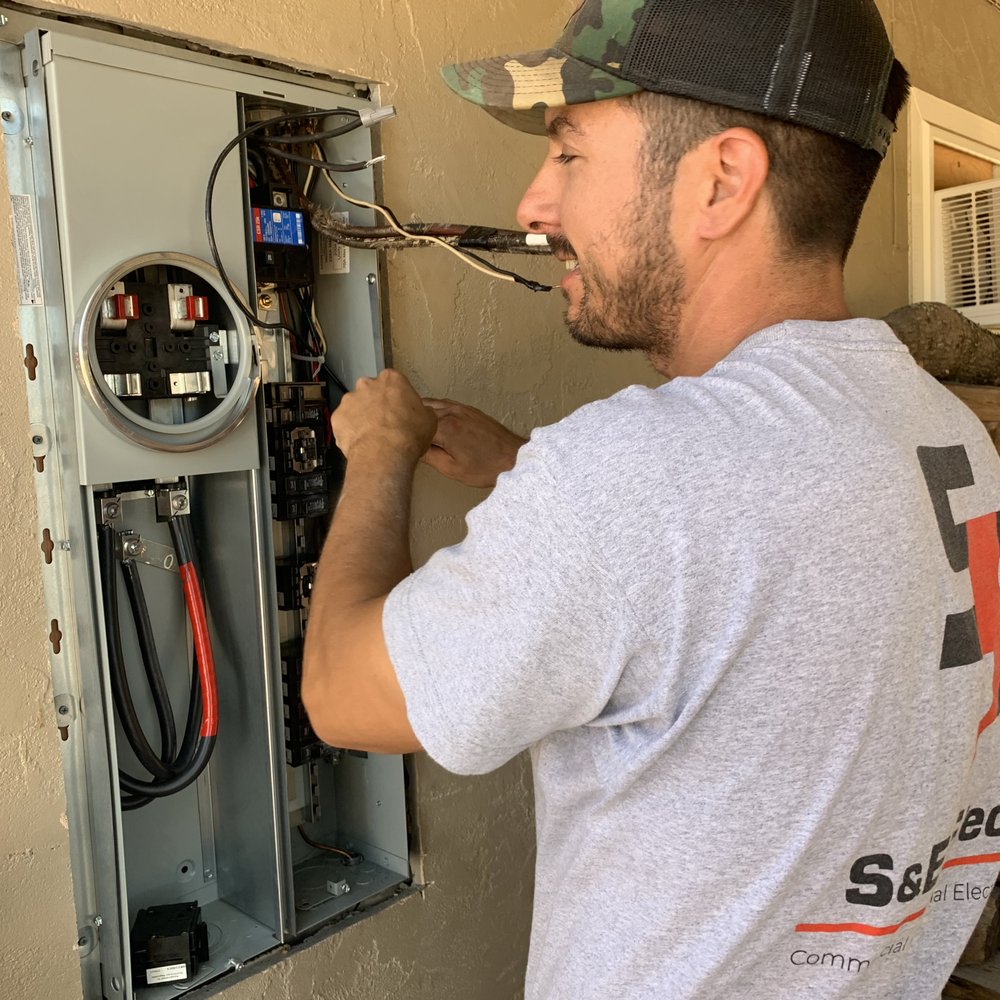
Comprehensive estimates detail equipment costs, labor, and expected savings using present utility pricing, space-specific usage data, and current incentive programs. Most customers experience positive cash flow in 18-48 months depending on project size and regional electricity rates.
Budget-Friendly Options
Strategic phased implementations allow homeowners to start with high-impact areas (kitchens, living rooms, exterior security lighting) and expand over time while capturing immediate savings to fund subsequent phases.
Handling Technical Worries
Professional teams provide complete turnkey service from initial consultation through final programming and user training, eliminating technical burden for homeowners while ensuring optimal configuration.
Compatibility Assurance
Strategic architecture focuses on systems with robust cross-platform support, open APIs, and active communities to prevent integration issues today and tomorrow.
Professional guidance transforms concerns into confidence. Contact us for a complimentary consultation.
Why Choose Us: Guaranteed Results And Expert Support
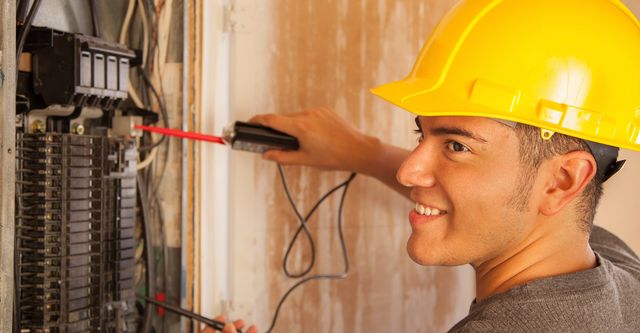
With over thirty years of sustained service, extensive knowledge of changing California codes, certifications from leading lighting manufacturers, and a client-centered satisfaction guarantee, our professionals provide reliably excellent results for smart home lighting installation projects of every scale. From single-room retrofits to complete whole-home lighting redesigns integrated with major remodels, we maintain rigorous quality standards, detailed project documentation, and responsive post-installation support that ensures long-term performance and client satisfaction.
Local Expertise and Compliance
Thorough understanding of local Contra Costa permitting, Title 24 compliance, seismic requirements, and available utility incentives ensures efficient approvals and maximum rebate benefits for energy-saving projects.
Serving Cities Like Alamo, Danville, Lafayette
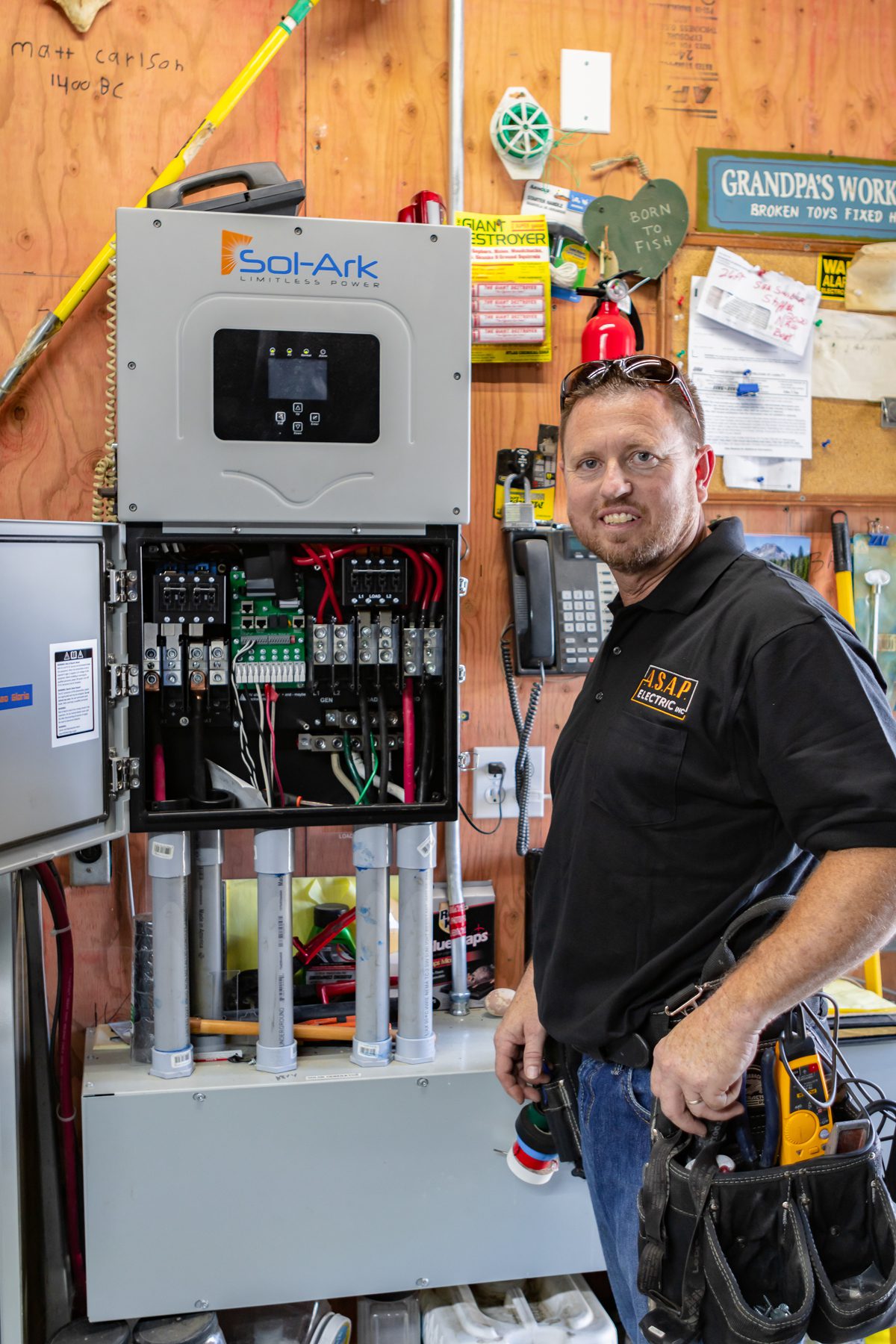
Close location and regional focus provide efficient project scheduling, fast response to site variables, and thorough understanding of local architectural styles and homeowner expectations throughout Contra Costa.
Customer Testimonials
“Our Walnut Creek property feels entirely renewed—energy expenses fell substantially and ambiance suits family evenings and entertaining perfectly. Outstanding attention to detail.” – Sarah M., Walnut Creek
“The installation integrated flawlessly during our Danville kitchen renovation. Perfect coordination with other contractors and scene programming matched our preferences precisely. Extremely satisfied.” – Michael R., Danville
“After disappointment with inconsistent DIY smart bulbs, choosing professional installation changed everything. Reliability, scene performance, and energy savings improved dramatically. Highly recommended.” – Jennifer L., Lafayette
Genuine customer testimonials confirm dependable results. Contact us for a complimentary consultation.
We Can Help! Contact Us Today
United Constructors Inc., located at 1251 Stone Valley Rd, Alamo CA 94507, (925) 234-9023, excels in smart home lighting installation alongside comprehensive kitchen remodeling, bathroom renovations, and thoughtful home additions. Serving Contra Costa County communities including Walnut Creek, Danville, Lafayette, Alamo, Orinda, Moraga, Pleasant Hill, San Ramon, Martinez, Concord, Antioch, Brentwood, and extending into Alameda and Marin counties, we bring proven expertise to every project. Our process continually achieves decreased utility bills, markedly better ambiance, improved home value, and true homeowner contentment through thorough planning and impeccable execution. Opting for qualified smart home lighting installation resolves the annoyance of high electricity costs, dim environments, and undependable do-it-yourself attempts while providing logical advantages including documented energy savings, code-compliant installations, increased resale appeal, and peace of mind knowing the work is backed by decades of local experience and a satisfaction guarantee. The emotional satisfaction of residing in a superbly lit, naturally responsive residence pairs strongly with the financial and practical gains of lower running costs and contemporary ease. Contact us now to start developing your perfect home atmosphere.
United Constructors Inc.
Address: 1251 Stone Valley Rd Alamo, CA 94507Phone: (925) 234-9023
Email: [email protected]
United Constructors Inc.
Electrician Contractor Berkeley, CA
Local Electrical Contractors Near Me Berkeley, CA
Residential Electrical Contractors Near Me Berkeley, CA
Electricians In My Area Berkeley, CA
Find An Electrician Near Me Berkeley, CA
Licensed Electrician Near Me Berkeley, CA
Commercial Electrical Contractor Berkeley, CA
Local Electricians Berkeley, CA
Electric Contractor Berkeley, CA
Electrician Companies Berkeley, CA
Electric Contractor Berkeley, CA
Residential Electrician Berkeley, CA
Electrician Near Me Berkeley, CA
Electrical Contractors Berkeley, CA
Certified Electrician Berkeley, CA
Residential Electrical Contractors Berkeley, CA
Local Electricians Berkeley, CA
Local Electrical Contractors Near Me Berkeley, CA
Electrical Contractors Near Me Berkeley, CA
Electricians In My Area Berkeley, CA
Electricians In My Area Berkeley, CA
Certified Electrician Berkeley, CA
Electric Contractors Berkeley, CA
Commercial Electrical Contractors Berkeley, CA
Electrical Contractor Berkeley, CA
Commercial Electrical Contractors Berkeley, CA
Electrical Contractors Near Me Berkeley, CA
Residential Electrician Berkeley, CA
Electrical Contractor Near Me Berkeley, CA
Residential Electrical Contractors Berkeley, CA
Electrician Berkeley, CA
Local Electricians Berkeley, CA
Electric Contractors Near Me Berkeley, CA
Electricians In My Area Berkeley, CA
Electrical Contractors Near Me Berkeley, CA
Electricians In My Area Berkeley, CA
Commercial Electrical Contractor Berkeley, CA
Commercial Electrical Contractor Berkeley, CA
Electrical Contractors Berkeley, CA
Electrician Contractor Berkeley, CA
Commercial Electrical Contractors Near Me Berkeley, CA
Electrician Contractor Berkeley, CA
Commercial Electrical Contractors Berkeley, CA
Residential Electrical Contractors Berkeley, CA
Commercial Electrical Contractors Berkeley, CA
Licensed Electrician Berkeley, CA
Electric Contractors Berkeley, CA
Electrical Repair Service Berkeley, CA
Electrical Companies Berkeley, CA
Finding A Local Seo Services Near Me Berkeley, CA
Best Seo Packages Berkeley, CA
United Constructors Inc.
Electrician Companies Near Me Berkeley, CA
Commercial Electrical Contractors Berkeley, CA

Table of Contents
- – United Constructors Inc.
- – What Is Smart Home Lighting Installation and W...
- – Overview of Connected Lighting Basics
- – Role in Modern Home Upgrades
- – Key Benefits for Energy and Comfort
- – Compliance with Local Regulations
- – What Are the Best Smart Home Lighting Ideas fo...
- – Layered Lighting Strategies for Maximum Savings
- – Ambient Lighting with Circadian Rhythms
- – Task Lighting in Kitchens and Bathrooms
- – Motion Sensors and Automated Controls
- – Integration with Smart Thermostats
- – How Can Smart Lighting Enhance Home Ambiance?
- – Custom Scenes for Everyday Living
- – Warm Tones for Cozy Evenings
- – Dynamic Colors for Entertaining
- – Human-Centric Lighting Benefits
- – Bedroom Ambiance Ideas
- – Outdoor Ambiance with Smart Fixtures
- – Weather-Resistant Smart Options
- – Which Smart Lighting Systems Offer the Best En...
- – Philips Hue for Versatile Control
- – Energy Metrics
- – Lutron Caséta for Reliable Dimming
- – Retrofit Advantages
- – Brilliant In-Wall Solutions
- – Comparison Table
- – How to Integrate Smart Lighting During Home Re...
- – Step-by-Step Installation Process
- – Wired vs Wireless Options
- – Compatibility with Alexa, Google, Apple
- – Hub and Bridge Setup
- – Common Mistakes to Avoid
- – Professional Benefits
- – What Are the Top Energy-Saving Features in Sma...
- – Occupancy and Motion Sensors
- – Hallway and Bathroom Applications
- – Dimmers and Scheduling
- – App-Based Automation
- – Daylight-Linked Controls
- – ROI Timeline
- – Common Concerns About Smart Home Lighting Inst...
- – Addressing Cost and ROI
- – Budget-Friendly Options
- – Handling Technical Worries
- – Compatibility Assurance
- – Why Choose Us: Guaranteed Results And Expert S...
- – Local Expertise and Compliance
- – Serving Cities Like Alamo, Danville, Lafayette
- – Customer Testimonials
- – We Can Help! Contact Us Today
- – United Constructors Inc.
Latest Posts
Mission Viejo Senior Photographer
Professional Wedding Photography Norco
Top 10 Wedding Photographers Brea
More
Latest Posts
Mission Viejo Senior Photographer
Professional Wedding Photography Norco
Top 10 Wedding Photographers Brea