All Categories
Featured
Table of Contents
- – OCRV Center
- – Why Is My RV AC Not Cooling Properly in Califo...
- – Common Causes of Poor Cooling in Motorhomes
- – Dirty Coils and Filters Blocking Airflow
- – Low Refrigerant from Leaks or Normal Wear
- – Signs Your Unit Needs Immediate Attention
- – Warm Air from Vents Instead of Cold
- – Unusual Noises or Frequent Short Cycling
- – How Do I Fix RV AC Blowing Warm Air?
- – Step-by-Step Troubleshooting at Home
- – Check Power Supply and Breaker Status First
- – Inspect, Clean, or Replace Air Filters
- – When to Call for Professional Help
- – Suspected Capacitor or Compressor Failure
- – What Causes RV AC Not Turning On?
- – Electrical and Thermostat Issues
- – Tripped Breakers or Loose Connections
- – Fuse and Control Board Problems
- – Common RV Air Conditioner Problems and Proven ...
- – RV AC Capacitor Failure Symptoms and Replacement
- – Safe Testing Methods
- – Typical Cost Range ($400–$1,200)
- – Refrigerant Recharge: When It's Needed and Why
- – Identifying Low Refrigerant Signs
- – RV Rooftop AC Maintenance: Essential Tips for ...
- – Coil Cleaning and Fin Straightening Techniques
- – Recommended Tools and Safety Precautions
- – Gasket, Shroud, and Seal Inspection
- – Preventing Water Intrusion and Leaks
- – Dometic vs Coleman Mach vs Furrion: Brand-Spec...
- – Dometic Common Repairs and Solutions
- – Control Board and Thermostat Calibration
- – Coleman Mach Troubleshooting and Fixes
- – Fan Motor and Capacitor Challenges
- – Furrion Modern Unit Maintenance Needs
- – Mobile RV AC Repair: Benefits for California M...
- – On-Site Diagnostics and Immediate Repairs
- – Eliminating Towing and Downtime
- – Emergency Service During Heat Waves
- – RV AC Repair Costs in California: What to Expect
- – Breakdown by Repair Type
- – Diagnostic and Minor Service Fees
- – Full System Replacement Considerations
- – Local RV AC Repair Near You: Serving Southern ...
- – Extensive Coverage in Key Areas
- – Why Choosing Local Experts Matters
- – We Can Help! Contact Us Today.
- – OCRV Center
RV AC repair stands as one of the most critical services motorhome owners seek when journeying in California. The state’s wide range of temperature zones—from coastal humidity to inland desert heat—continuously challenge rooftop air conditioning units, leading to frequent failures that affect both comfort and on-road safety. Owners frequently search for help with why is my RV AC not cooling, how to fix RV AC blowing warm air, or RV AC not turning on as these failures generate instant unease, especially during summer travel or extended stays. A true one-stop repair shop solves these concerns more efficiently than fragmented vendors by assessing the air conditioner in context with linked systems such as wiring, seals, ducts, and thermostats within a single service call. This coordinated strategy reduces repeat visits, minimizes overlooked concerns, and ensures reliable performance that keep motorhomes road-ready. Full-service solutions also provides honest guidance, clear pricing, and preventive recommendations that protect long-term value in the vehicle.
Many motorhome owners initially try short-term self-repairs or seek out individual specialists only to deal with ongoing problems or increasing bills. One-stop facilities break this pattern by delivering complete expertise in one facility. Technicians experienced in various systems can trace how a worn capacitor impacts overall electrical demand or how minor roof gasket leaks cause coil icing. The benefit is speedier repairs, reduced follow-up visits, and greater confidence on the road. This integrated strategy delivers particular value for long-term travelers, groups organizing long vacations, or anyone relying on their RV for consistent comfort amid California’s changing weather. Selecting a full-service provider guarantees professional handling of every element of RV air conditioner repair, ranging from routine upkeep to intricate component replacements. For ongoing care options, visit the RV maintenance services.
Why Is My RV AC Not Cooling Properly in California's Heat?
California’s intense solar radiation and warm conditions put significant pressure on RV rooftop AC units mounted on motorhomes. Motorhomes stationed in full sun or traveling across interior valleys often experience diminished cooling power as heat buildup overwhelms system performance. Dust particles, road grit, pollen, and airborne contaminants swiftly collect on condenser and evaporator coils, restricting heat rejection and causing just tepid or warm vent output. Progressive refrigerant drop via tiny leaks or material permeation lowers pressure levels, compelling the compressor to operate longer without generating sufficient cold air. Motorhome Air Conditioner Repair Chino. Owners perceive the shift instantly—damp skin, misted glass, disturbed rest—and increasing frustration as interior temperatures climb even while the unit operates nonstop. These conditions highlight the need of prompt RV AC service to preserve safe, enjoyable cabin conditions during travel and camping. For related preventive work, see the RV roof repair services
Common Causes of Poor Cooling in Motorhomes
Built-up grime on coils and clogged filters stand as the primary reasons for diminished cooling output. Environmental contaminants build up rapidly while traveling. Obstructing fin surfaces and reducing heat dissipation ability. Refrigerant shortages often result from tiny leaks at fittings, gaskets, or coil sections that form gradually from constant movement and temperature fluctuations. Both conditions intensify under high external heat, where the AC operates harder to hold target temperatures, boosting power consumption and speeding component degradation. Regular checks and complete cleaning stop these deposits from escalating into serious issues. Expert care ensures thorough cleaning without damaging delicate fins or seals. More assistance for wiring problems is offered on the RV electrical services.
Dirty Coils and Filters Blocking Airflow
Coils trap dust, leaves, insects, and road film that build an insulating cover and impede heat exchange. Limited airflow causes evaporator freezing or condenser overheat, greatly reducing total cooling output. Filters saturate rapidly in dusty environments, further reducing return air and stressing the blower assembly. Cleaning these elements restores proper circulation and efficiency. Consistent care avoids stress on the whole system.
Low Refrigerant from Leaks or Normal Wear
Charge levels drop slowly from minor leaks or normal permeation, lowering pressure below functional range. Symptoms feature hissing at fittings or ice buildup on lines. Recharging without fixing leaks gives temporary relief only. EPA-certified pros identify and fix leaks prior to recharge to ensure long-term function. This procedure follows EPA standards for safe refrigerant management.
Signs Your Unit Needs Immediate Attention
Warm air from vents signals restricted airflow or low refrigerant, while grinding, rattling, or high-pitched noises indicate mechanical wear in fan motors or compressors. Rapid short cycling—compressor activating and deactivating quickly—reveals pressure irregularities or electrical faults that speed component fatigue. Overlooking these signs risks full system shutdown amid peak heat. Early professional assessment identifies underlying causes and stops costly advancement.
Warm Air from Vents Instead of Cold
This symptom often stems from compressor failure to start or major airflow restriction. Owners notice no perceptible temperature reduction despite fan operation, causing unpleasantly warm living areas. Immediate diagnosis averts progression to more expensive repairs such as compressor replacement.
Unusual Noises or Frequent Short Cycling
Sounds indicate bearing wear or loose parts, while rapid cycling shows overload protection activating from high pressure or low voltage. Both reduce operational efficiency and increase strain on electrical systems. Early intervention greatly increases component longevity.

Spotting these warning signs promptly prevents escalation to serious failures like compressor burnout. Expert inspection precisely identifies underlying issues and restores reliable cooling capability. Reach out to a trusted local expert for a complimentary inspection to regain comfort quickly. More information about associated upkeep is on the RV maintenance page.
How Do I Fix RV AC Blowing Warm Air?
RV AC blowing warm air ranks among the top issues because it directly removes the anticipated relief from rising temperatures. Owners anticipate a surge of cold air when the system starts, yet encounter only room-temperature circulation or warmer discharge from vents. This problem frequently results from restricted airflow at the evaporator coil, electrical issues preventing compressor engagement, or mechanical defects inside the condensing assembly. Basic at-home inspections can rule out easy causes, yet persistent symptoms typically require advanced diagnostic tools to evaluate refrigerant charge, capacitor condition, or compressor functionality. Resolving the problem quickly maintains cabin comfort and prevents secondary harm to furnishings or electronics from extended heat exposure. For additional electrical evaluation, see RV electrical repair services.
Step-by-Step Troubleshooting at Home
Begin at the electrical source by examining breaker panel condition and verifying shore power or generator output meets unit requirements. Examine and clean or substitute cabin air filters, because clogged media greatly reduces return circulation and prompts coil icing or reduced performance. Verify thermostat configuration and replace batteries in wireless units to discount control errors or calibration drift. Inspect visible duct runs for blockages or separations that divert cold air from living spaces. These preliminary steps frequently fix small airflow or power issues.
Check Power Supply and Breaker Status First
Electrical interruptions from tripped breakers or defective connections halt compressor operation entirely. Reset breakers and measure voltage at the unit to verify steady voltage. Under-voltage stresses components and stops initiation.
Inspect, Clean, or Replace Air Filters
Filters trap dust and debris that greatly limit airflow when saturated. Fresh filters reinstate proper circulation and avert coil icing. Maintain cleanable filters often in dusty conditions to sustain performance.
When to Call for Professional Help
Indications of capacitor failure manifest as humming without compressor engagement, whereas compressor troubles may result in silence or irregular function. Refrigerant deficiency needs recovery tools and leak locating that certified technicians perform lawfully and securely. Electrical troubleshooting detects shorts or damaged wiring that present safety hazards if left unaddressed.
Suspected Capacitor or Compressor Failure
Capacitors deliver the initial power surge for motors; wear results in humming or no startup. Compressor issues commonly relate to windings or valve failure. Expert testing confirms the problem without risking further damage.
Basic steps provide valuable information, but expert diagnosis stops recurring issues and avoids unneeded replacements. Contact experts to secure a durable, efficient fix. Learn more about complete services on the RV appliance repair page.
What Causes RV AC Not Turning On?
The instant the thermostat demands cooling and the system remains silent—no blower, no compressor sound, no cold output—worry sets in quickly. RV AC not turning on generally stems from breaks in the electrical circuit or malfunctions in control elements. Ongoing travel vibration loosens connections gradually, while voltage spikes from generators or outlets engage protection circuits. Faulty thermostats do not send the start signal, and internal fuses or control boards sustain damage from moisture penetration or age-related deterioration. These power interruptions require careful evaluation to avoid repeat issues or hazards. For additional electrical assistance, check RV electrical services.
Electrical and Thermostat Issues
Activated breakers or GFCI outlets stop power flow, particularly following elevated loads from additional appliances. Loose or corroded connections at the roof unit or interior panel obstruct current flow to essential parts. Thermostat malfunctions include sensor drift or wiring faults that disrupt unit communication - Motorhome Air Conditioner Repair Chino. Checking voltage stability and connection security frequently fixes these issues
Tripped Breakers or Loose Connections
Breakers safeguard against overload but activate from voltage surges or shorts. Poor connections raise resistance and produce heat. Securing and cleaning contacts reinstates dependable power transmission.
Fuse and Control Board Problems
Fuses blown from overload need replacement following correction of the root cause. Boards affected by condensation or surges may fail completely, ending all operation. Diagnostics separate board failures from other electrical concerns.
Avoid extended trial-and-error that endangers additional electrical harm. Arrange a consultation to determine the specific fault and reinstate operation efficiently. More details on system checks are on the RV maintenance page.
Common RV Air Conditioner Problems and Proven Solutions
RV air conditioner problems consistently appear at the top of service request lists for motorhome owners, especially in regions with prolonged heat. Statistics from RV groups show that cooling issues represent a significant percentage of warranty claims and roadside assistance requests. The combination of ongoing vibration, exposure to weather, and intensive operation accelerates wear on key parts. Prevalent failures encompass inconsistent temperature control, abnormal operating sounds, frozen evaporator coils, and total system stoppage that result in uncomfortably hot interiors.
RV AC Capacitor Failure Symptoms and Replacement
Capacitors store power to provide the starting boost for compressor and fan motors. Malfunction creates typical humming with no start or irregular operation. Secure testing involves multimeter measurement of microfarads, and replacement demanding discharge to avoid electrical shock. Costs generally fall between $400 and $1,200 including labor and components. Quick replacement eases load on remaining electrical components. For related component work, refer to RV appliance services.
Safe Testing Methods
Use insulated tools and discharge the capacitor completely prior to testing. Compare readings against manufacturer specifications for precise diagnosis. Wrong methods risk electrical shock or further damage.
Typical Cost Range ($400–$1,200)
Costs differ based on unit size and manufacturer - Motorhome Air Conditioner Repair Chino. Labor encompasses safe removal, verification, and installation. Premium parts guarantee longevity and dependable operation
Refrigerant Recharge: When It's Needed and Why
Low refrigerant appears as diminished cooling, audible hissing at connections, or frost accumulation on suction lines. Only EPA-approved pros may legally handle recovery, evacuation, and recharge. The process includes leak locating and repair to ensure lasting recharge. Skipping leak repair leads to recurring service calls.
Identifying Low Refrigerant Signs
Reduced cooling output and ice formation signal charge depletion. Pressure checks confirm deficiency during assessment. Prompt detection stops compressor harm from low-pressure operation.
Pros with factory training and ASE certification deliver exact, durable repairs that decrease repeat service needs. Guarantees reinforce assurance in the service. Learn more about maintenance on the maintenance page.
RV Rooftop AC Maintenance: Essential Tips for Longevity
Consistent rooftop AC care significantly lengthens system durability and maintains cooling ability under tough conditions. Annual service detects deterioration prior to failure. Sustaining airflow, efficiency, and component condition. Neglected systems lose 20–30% efficiency in a few seasons from debris accumulation and unchecked wear. Maintenance actions cover cleaning, inspection, and minor tuning that ensure maximum system performance. Frequent maintenance decreases energy draw and boosts overall reliability during extended use. For complete upkeep plans, visit RV maintenance services.

Coil Cleaning and Fin Straightening Techniques
Coils trap dust, debris, and contaminants forming an insulating cover and reduce heat exchange capability. Apply factory-specified cleaners and low-pressure wash to protect fins. Straighten bent fins using a specialized comb to reinstate unrestricted airflow. Regular cleaning averts efficiency decline and extends compressor durability. Detailed cleaning keeps optimal performance year-round.
Recommended Tools and Safety Precautions
Soft brushes, approved foaming cleaners, and fin combs deliver effective outcomes without damage. Turn off electricity and wear safety equipment during service. Do not use high-pressure water that deforms fins or pushes debris deeper.
Gasket, Shroud, and Seal Inspection
Seals at the rooftop penetration break down from sun exposure and heat cycles, permitting moisture that results in rust or electrical problems. Inspect shrouds for cracks and check seal flexibility, replacing as needed for watertight protection. Correct sealing maintains insulation and stops moisture-related issues. Regular visual checks during seasonal preparation detect degradation promptly.
Preventing Water Intrusion and Leaks
Check for gaps or stiffening seals in regular inspections. Apply proper sealants to regain watertight integrity. Periodic checks catch deterioration early and prevent interior damage from water penetration.
Ongoing preventive service significantly decreases breakdowns and boosts energy performance. Skilled teams perform these tasks effectively, delivering reliable results owners can trust. Further details can be found on the RV roof repair page.
Dometic vs Coleman Mach vs Furrion: Brand-Specific RV AC Repair Insights
Each leading RV AC manufacturer presents specific repair traits based on design and common usage. Understanding these differences helps owners predict issues and select appropriate service. Dometic models commonly need control board work following extended thermal and vibrational stress. Coleman Mach units commonly encounter fan motor or capacitor deterioration from repeated startup cycles. Furrion designs featuring advanced electronics often benefit from firmware updates and sensor service. Brand-specific expertise ensures accurate diagnosis and appropriate component selection. For appliance-related support, visit RV appliance services.
Dometic Common Repairs and Solutions
Dometic units regularly need control board evaluation following prolonged thermal and vibrational stress. Thermostat calibration shifts gradually, resulting in imprecise temperature management. Technicians use diagnostic tools to reprogram or replace boards when necessary. Regular firmware updates maintain peak operation in varying conditions.
Control Board and Thermostat Calibration
Board issues lead to irregular cycles or full stoppage. Calibration reinstates precise sensing and regulation. Substitution employs factory-spec parts for compatibility and lasting performance.
Coleman Mach Troubleshooting and Fixes
Coleman Mach systems commonly encounter fan bearing deterioration or capacitor failure from high startup loads. Regular lubrication and voltage checks stop premature failure. Fan units receive thorough examination during maintenance.
Fan Motor and Capacitor Challenges
Noisy bearings point to upcoming failure. Testing capacitors identifies capacity decline. Timely replacement avoids total motor burnout and related electrical strain.
Furrion Modern Unit Maintenance Needs
Furrion designs integrate advanced electronic controls that gain from firmware updates and sensor cleaning. Refrigerant checks maintain correct charge in different ambient temperatures. Electronic testing rapidly locates issues for quick repair.
Specialized knowledge across brands guarantees precise diagnosis and repair. Professionals with factory training manage every brand proficiently. Further brand details can be found on the appliance repair page.
Mobile RV AC Repair: Benefits for California Motorhome Owners
Mobile RV AC repair removes the need to tow or move heavy motorhomes to a fixed shop. Technicians come fully prepared to perform diagnostics, part replacement, and system testing directly at the campsite, residence, or roadside location. This on-location service offers great benefit during travel or when shop access is inconvenient. Mobile service decreases vehicle stress and owner inconvenience while providing professional-grade results. For mobile service details, visit RV service offerings.
On-Site Diagnostics and Immediate Repairs
Portable diagnostic tools allow complete evaluation with minimal disassembly in many situations. Most repairs complete the same day, cutting interference with itineraries. Technicians carry stocks of common parts for quick fixes on typical issues.
Eliminating Towing and Downtime
Towing large motorhomes risks additional harm and generates significant expense. Mobile service eliminates these costs and keeps the vehicle in place. Quick fixes protect travel plans and owner comfort.
Emergency Service During Heat Waves
Prompt response during extreme temperature periods prevents heat-related discomfort and safeguards susceptible components from overheating damage. Urgent service receives fast scheduling to return cooling promptly.
Mobile service greatly decreases stress and vehicle downtime. Reliable experts concentrate on swift, complete resolutions. Discover additional mobile service on the service page.
RV AC Repair Costs in California: What to Expect
Understanding RV AC repair costs enables owners to budget realistically and avoid unexpected costs. Initial diagnostics usually cost $150 to $300 depending on complexity and distance traveled. Minor repairs such as coil cleaning, filter changes, or gasket service average $300–$800. Capacitor or blower motor repairs cost $400–$1,200, while entire unit replacement falls between $1,500 and $2,500 according to BTU size, brand, and installation demands. Clear pricing supports smart budgeting. For expense information on related work, check RV maintenance pricing.
Breakdown by Repair Type
Diagnostic fees encompass detailed inspection and reporting. Small repairs address reachable parts with standard components. Complete replacement covers unit, labor, and complete verification. Costs reflect component quality and technician expertise level.
Diagnostic and Minor Service Fees
Evaluations accurately identify issues. Minor service employs factory or equivalent parts for reliability. Pricing remains fair with transparent itemization upfront.
Full System Replacement Considerations
Considerations include duct compatibility, generator size, and required adjustments. Professional installation guarantees proper sealing and electrical integration for maximum efficiency.
Transparent pricing builds confidence. Cost-effective service preserves investment over time. Further expense information is available on the service page.
Local RV AC Repair Near You: Serving Southern California
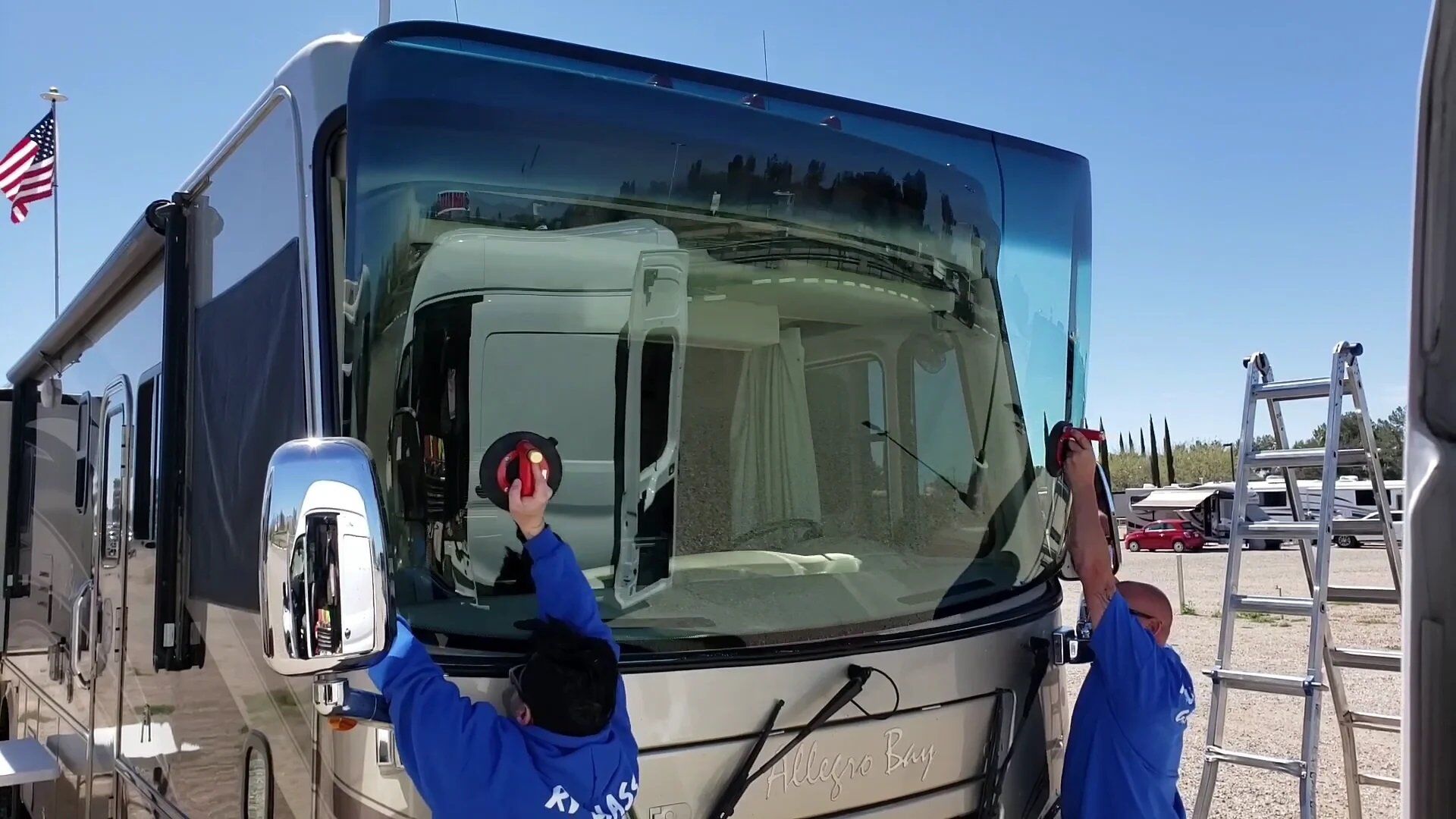
Southern California’s wide-ranging landscape and climate necessitate quick local RV AC repair. Service encompasses Orange County areas including Anaheim, Irvine, Huntington Beach, Fullerton, Yorba Linda, and numerous surrounding communities, reaching across Los Angeles County, Inland Empire, Riverside and San Bernardino Counties, San Diego, and Ventura. Proximity to key highways facilitates quick arrival. Local expertise adapts to area-specific factors including coastal corrosion and desert dust. For location-specific service pages, see Anaheim RV repair, Irvine RV repair, Chino Hills RV repair, Fullerton RV repair, and Yorba Linda RV repair.
Extensive Coverage in Key Areas
Service reaches coastal zones, inland valleys, and desert regions where temperature stress varies significantly. Technicians understand regional environmental factors that accelerate unit wear.
Why Choosing Local Experts Matters
Area knowledge delivers specific solutions for humidity, dust, and temperature challenges. Fast response reduces discomfort in extreme heat. Proximity facilitates same-day or next-day service in most instances.
OCRV Center, 23281 La Palma Ave. Yorba Linda CA 92887, (714) 909-1444 delivers dependable local support across Southern California. Strategic positioning supports effective service for RV AC repair near me queries in the region. Additional location-based services are available through RV repair near me pages.
We Can Help! Contact Us Today.
Imagine reaching a scenic spot, turning on the AC, and instantly feeling refreshing cool air fill the cabin—no more clammy discomfort, sleepless nights, or abandoned plans caused by excessive heat accumulation. This instant relief allows families to relax fully, enjoy conversations, rest peacefully, and create lasting memories without distraction or worry. The emotional lift of relying on a reliable system on every trip eliminates ongoing worry, replacing concern with eagerness for upcoming trips. Owners feel renewed confidence knowing breakdowns won’t derail planned journeys.
On the logical side, expert RV AC repair stops expensive secondary damage such as compressor breakdown, wiring issues, or mold from unnoticed leaks. Certified repairs maintain efficiency, reduce energy use, and extend unit lifespan, delivering measurable ROI through fewer service calls and reduced total ownership costs. Clear pricing eliminates surprises, while detailed diagnostics catch related issues early, conserving time and funds compared to reactive repairs. Repeatable excellent results assure dependable function across seasons and environments.
The mobile technician team located and repaired our Dometic RV AC malfunction directly at the campground, returning full cooling power in hours—our summer schedule remained fully intact. Clear pricing along with expert capacitor replacement provided complete confidence for our long-distance drive. Fast response and detailed explanations turned a stressful breakdown into a smooth process from start to finish. These genuine experiences show dependable service standards.
Satisfaction guarantee backs every repair, ensuring confidence in the results. All-in-one service addresses the air conditioner plus electrical, roof, and ductwork for complete dependability. Conveniently positioned near major corridors in Southern California, the team supports motorhome owners, campers, fifth wheels, trailers, and other vehicles with skill and attention. Complimentary consultations deliver honest evaluations and straightforward estimates. With more than ten years of dedicated experience and commitment to excellence, each repair emphasizes repeatable superior outcomes. Connect with nearby RV AC repair professionals today at (714) 909-1444 or online to book service. Your comfortable, dependable motorhome journeys begin with a single call. OCRV Center is equipped to offer the solutions essential for peaceful travel.
OCRV Center
Address: 23281 La Palma Ave Yorba Linda, CA 92887Phone: (714) 909-1444
Email: [email protected]
OCRV Center
Norcold Refrigerator Repair Chino, CA
Rv Window Repair Chino, CA
Rv Repair Shops Chino, CA
Rv Air Conditioning Repair Near Me Chino, CA
Rv Air Conditioner Repair Chino, CA
Rv Air Conditioner Repair Chino, CA
Rv Service And Repair Chino, CA
Motorhome Air Conditioner Repair Chino, CA
Dometic Refrigerator Repair Chino, CA
Motorhome Air Conditioner Repair Chino, CA
Norcold Rv Refrigerator Repair Chino, CA
Motorhome Generator Repair Chino, CA
Dometic Refrigerator Repair Chino, CA
Rv Window Repair Chino, CA
Rv A/C Repair Near Me Chino, CA
Rv Windshield Replacement Chino, CA
Motorhome Generator Repair Chino, CA
Rv Windshield Replacement Chino, CA
Rv Repair Shops Chino, CA
Rv Air Conditioner Repair Chino, CA
Rv Fridge Repair Chino, CA
Norcold Repair Chino, CA
Rv Air Conditioner Repair Chino, CA
Rv Engine Repair Near Me Chino, CA
Rv Service And Repair Chino, CA
Motorhome Generator Repair Chino, CA
Rv Repair Shops Chino, CA
Rv Air Conditioner Repair Chino, CA
Emergency Rv Repair Near Me Chino, CA
Norcold Repair Chino, CA
Emergency Rv Repair Near Me Chino, CA
Rv Window Repair Near Me Chino, CA
Rv Air Conditioner Repair Near Me Chino, CA
Rv Generator Repair Near Me Chino, CA
Rv Fridge Repair Chino, CA
Rv Service And Repair Chino, CA
Fiberglass Roof Repair Chino, CA
Emergency Rv Repair Near Me Chino, CA
Rv Window Repair Chino, CA
Norcold Rv Refrigerator Repair Chino, CA
Fiberglass Roof Repair Chino, CA
Rv Ac Repair Chino, CA
Rv Engine Repair Near Me Chino, CA
Rv Generator Repair Near Me Chino, CA
Norcold Repair Chino, CA
Rv Repair Shops Chino, CA
Rv Windshield Replacement Chino, CA
Rv Repair Shop Near Me Chino, CA
Rv Mechanic Near Me Chino, CA
Rv Windshield Repair Chino, CA
Rv Mechanic Chino, CA
Rv Service And Repair Chino, CA
Rv Repair Shops Chino, CA
Rv Engine Repair Near Me Chino, CA
Norcold Rv Refrigerator Repair Chino, CA
Rv Repair Shop Near Me Chino, CA
Rv Air Conditioner Repair Near Me Chino, CA
Rv Windshield Replacement Chino, CA
Rv Windshield Repair Near Me Chino, CA
Motorhome Air Conditioner Repair Chino, CA
Dometic Refrigerator Repair Chino, CA
Rv Mechanic Near Me Chino, CA
Dometic Refrigerator Repair Chino, CA
Rv A/C Repair Near Me Chino, CA
Rv Fridge Repair Chino, CA
Rv Mechanic Chino, CA
Rv Windshield Repair Near Me Chino, CA
Rv Window Repair Chino, CA
Motorhome Air Conditioner Repair Chino, CA
Rv Generator Repair Near Me Chino, CA
Rv Air Conditioner Repair Chino, CA
Rv Air Conditioning Repair Near Me Chino, CA
Rv Fridge Repair Chino, CA
Motorhome Air Conditioner Repair Chino, CA
Norcold Rv Refrigerator Repair Chino, CA
Norcold Refrigerator Repair Chino, CA
Motorhome Repair Shop Near Me Chino, CA
Rv Repair Shops Near Me Chino, CA
In My Area Seo Management Chino, CA
Finding A Seo Companies Chino, CA
OCRV Center
Rv Repair Shops Chino, CA
Rv Mechanic Chino, CA

Table of Contents
- – OCRV Center
- – Why Is My RV AC Not Cooling Properly in Califo...
- – Common Causes of Poor Cooling in Motorhomes
- – Dirty Coils and Filters Blocking Airflow
- – Low Refrigerant from Leaks or Normal Wear
- – Signs Your Unit Needs Immediate Attention
- – Warm Air from Vents Instead of Cold
- – Unusual Noises or Frequent Short Cycling
- – How Do I Fix RV AC Blowing Warm Air?
- – Step-by-Step Troubleshooting at Home
- – Check Power Supply and Breaker Status First
- – Inspect, Clean, or Replace Air Filters
- – When to Call for Professional Help
- – Suspected Capacitor or Compressor Failure
- – What Causes RV AC Not Turning On?
- – Electrical and Thermostat Issues
- – Tripped Breakers or Loose Connections
- – Fuse and Control Board Problems
- – Common RV Air Conditioner Problems and Proven ...
- – RV AC Capacitor Failure Symptoms and Replacement
- – Safe Testing Methods
- – Typical Cost Range ($400–$1,200)
- – Refrigerant Recharge: When It's Needed and Why
- – Identifying Low Refrigerant Signs
- – RV Rooftop AC Maintenance: Essential Tips for ...
- – Coil Cleaning and Fin Straightening Techniques
- – Recommended Tools and Safety Precautions
- – Gasket, Shroud, and Seal Inspection
- – Preventing Water Intrusion and Leaks
- – Dometic vs Coleman Mach vs Furrion: Brand-Spec...
- – Dometic Common Repairs and Solutions
- – Control Board and Thermostat Calibration
- – Coleman Mach Troubleshooting and Fixes
- – Fan Motor and Capacitor Challenges
- – Furrion Modern Unit Maintenance Needs
- – Mobile RV AC Repair: Benefits for California M...
- – On-Site Diagnostics and Immediate Repairs
- – Eliminating Towing and Downtime
- – Emergency Service During Heat Waves
- – RV AC Repair Costs in California: What to Expect
- – Breakdown by Repair Type
- – Diagnostic and Minor Service Fees
- – Full System Replacement Considerations
- – Local RV AC Repair Near You: Serving Southern ...
- – Extensive Coverage in Key Areas
- – Why Choosing Local Experts Matters
- – We Can Help! Contact Us Today.
- – OCRV Center
Latest Posts
Fifth Wheel Service Fullerton
Atwood Rv Rubber Roof Maintenance
Rv Rubber Roof Repair Chino
More
Latest Posts
Fifth Wheel Service Fullerton
Atwood Rv Rubber Roof Maintenance
Rv Rubber Roof Repair Chino